





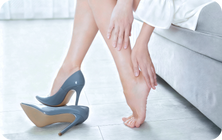



Bruises and swelling are common after minor injuries such as falls, sports impacts, or accidental bumps. While most cases resolve naturally, the first 48–72 hours are critical for controlling inflammation and limiting tissue damage.
In sports medicine and physical therapy practice, cold therapy (cryotherapy) is widely used as a first-line intervention to help manage acute soft tissue injuries.
Disclaimer: This article is for educational purposes only and does not replace professional medical advice. If symptoms are severe or persistent, consult a healthcare provider.
Why Cold Therapy Works for Bruises and Swelling
1. Reducing Internal Bleeding and Swelling
A bruise forms when small blood vessels under the skin are damaged, allowing blood to leak into surrounding tissue.
Cold therapy helps by triggering vasoconstriction (narrowing of blood vessels), which may:
- Reduce further blood leakage
- Limit swelling expansion
- Slow inflammatory response
This is why ice is most effective immediately after injury.
2. Pain Relief Through Nerve Signal Reduction
Cold temperatures slow nerve conduction velocity, which reduces the intensity of pain signals sent to the brain.
This produces a temporary analgesic (numbing) effect, helping improve comfort during the early healing phase.
3. Supporting Functional Recovery
By reducing swelling and pain, cold therapy may help:
- Improve mobility in affected joints
- Support early movement when appropriate
- Reduce stiffness caused by inflammation
According to commonly used sports medicine protocols (including guidance from orthopedic clinical practice), early cold application is often recommended for acute soft tissue injuries.
When to Use Cold Compresses for Best Results
First 48–72 Hours: Acute Phase (Most Important)
During this period:
- Swelling develops rapidly
- Pain is the most intense
- Inflammation is active
Recommended use:
- 15–20 minutes per session
- Every 2–3 hours while awake
- Always use a cloth barrier between skin and cold pack
After 72 Hours: Recovery Phase
Once swelling begins to decrease:
- Reduce icing frequency
- Focus on mobility and gentle movement
- Use cold therapy only after activity if swelling returns
After Several Days: Transition Phase
If stiffness becomes the dominant issue rather than swelling, heat therapy may be used in some cases under professional guidance to support tissue flexibility.

Choosing the Right Cold Pack for Different Injury Areas
Bruises and swelling can occur anywhere on the body. Effective recovery depends on targeted coverage and stable compression, not just temperature.
Foot & Ankle Bruises and Swelling
The ankle is one of the most common injury sites due to twisting, falls, or sports impacts. Swelling here often increases due to gravity.
A standard ice pack may slide or fail to cover both sides of the joint effectively.
Why is it effective:
- Wrap-around anatomical fit
- Designed for swelling control in lower extremities
- Helps maintain consistent cold contact during elevation
Neck & Shoulder Impact Bruises
Neck and shoulder bruises often occur from sports collisions, falls, or sudden strain injuries.
This area is difficult to treat with standard ice packs due to curvature and movement.
Key advantages:
- Contoured design for upper back and shoulder region
- Helps maintain stable contact during rest
- Supports broader surface cooling for muscle-related bruising
Wrist Bruises and Overuse Swelling
Wrist injuries are common in repetitive strain (typing, lifting, sports falls), including conditions like localized inflammation and soft tissue bruising.
Flat ice packs often fail to stabilize on small joints.
Why it is useful:
- Secure wrap design for wrist stability
- Helps maintain compression + cooling together
- Suitable for both acute injury and repetitive strain discomfort

How to Use Cold Compresses Safely (Clinical Best Practices)
Follow the 20-Minute Rule
- Apply for 15–20 minutes
- Allow at least 40–60 minutes between sessions
This helps prevent:
- Skin irritation
- Cold-induced nerve sensitivity
- Frost-related tissue damage
Always Protect the Skin
Never apply ice directly to the skin. Use:
- Cloth barrier
- Towel layer
- Built-in wrap insulation
Elevation Improves Results
For lower limb injuries:
- Elevate the limb above heart level when possible
- Combine with cold therapy for better swelling control
When to Be Cautious
Cold therapy should be used carefully if you have:
- Diabetes with reduced sensation
- Peripheral neuropathy
- Circulatory disorders (e.g., Raynaud’s disease)
Stop use if you notice:
- Persistent numbness
- Skin discoloration (white, blue, or dark patches)
- Increased pain after application
Cold vs Heat: When to Switch
Use Cold When:
- Injury is recent (0–3 days)
- Swelling and redness are present
- The area feels warm or inflamed
Consider Heat When:
- Swelling has significantly reduced
- Stiffness becomes the main symptom
- In later-stage recovery (with professional guidance)
FAQ about Ice Therapy
Q1: How long should I ice a bruise?
Typically 15–20 minutes every 2–3 hours during the first 48–72 hours.
Q2: Does ice help bruises heal faster?
Ice does not directly remove bruises, but it can reduce swelling and limit the spread of blood under the skin.
Q3: Should I use heat or ice for swelling?
Ice is recommended in the first 48–72 hours. Heat may be used later when swelling decreases and stiffness remains.
Final Takeaway
Cold therapy remains one of the most widely used and effective approaches for managing bruises and swelling when applied correctly and early.
The key is not just using ice, but using:
- Proper timing
- Safe application methods
- Anatomically appropriate support tools
Targeted cold wrap systems—such as those designed for the neck, ankle, and wrist—can help improve consistency, comfort, and recovery outcomes when used as part of a broader healing plan.


