


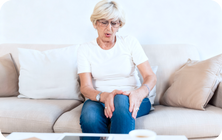


If you live with endometriosis, you know that flare-ups can hijack your day without warning. Deep pelvic pressure, radiating lower back pain, and cramping that goes far beyond typical menstrual discomfort are familiar battles. A heating pad for endometriosis may help relieve some of this persistent pain by relaxing muscles, improving circulation to the pelvic region, and interrupting pain signals before they reach your brain. ComfyTemp designs professional-grade, drug-free heat therapy tools that let you manage these symptoms at home on your own terms.
Quick Answer: Heat therapy works by increasing blood flow and reducing muscle tension around the pelvis and lower abdomen, which may help relieve endometriosis-related cramping and discomfort during flare-ups.
Why Heat Works for Endometriosis Pain
Endometriosis pain stems from tissue similar to the uterine lining growing outside the uterus, causing inflammation, scar tissue, and nerve sensitization. Unlike standard menstrual cramps, this pain often involves the pelvic floor muscles, lower back, and even the bowels or bladder. Heat addresses this complexity through multiple mechanisms.
When you apply warmth to the lower abdomen or back, blood vessels dilate and local circulation improves. Better blood flow delivers oxygen and nutrients while helping flush inflammatory compounds. Some studies suggest that heat may also block pain signals at the spinal cord level through a mechanism called the gate control theory—essentially, warmth sensations compete with pain signals for attention, reducing what your brain perceives.
Clinical research on heat therapy for dysmenorrhea (painful periods) shows consistent benefits, and many people with endometriosis report similar or greater relief because their pain often overlaps with menstrual timing. A 2001 study in Obstetrics & Gynecology found that continuous low-level heat was as effective as ibuprofen for menstrual pain in some participants. However, research specifically isolating endometriosis from other pelvic pain conditions remains limited, so individual results vary considerably.
Heat also encourages muscle relaxation. The pelvic floor and abdominal muscles often tense protectively during endometriosis flare-ups, creating a pain-spasm cycle. Warmth interrupts this loop, allowing tissues to soften and reducing the mechanical pressure on sensitive areas.

Choosing the Right Heating Pad Type and Size
Not all heating pads suit endometriosis pain equally. Your choice depends on pain location, lifestyle, and how you prefer to manage flare-ups.
Electric Heating Pads
Standard electric pads offer adjustable temperature settings and consistent heat, ideal for home use during intense flares. Look for models with multiple heat levels—lower settings (around 104–113°F) work well for extended wear, while higher settings suit shorter, targeted sessions. A pad large enough to cover both lower abdomen and lower back simultaneously provides the most versatile coverage, since endometriosis pain often radiates.
Microwavable Heat Packs
Microwavable options deliver moist heat, which penetrates tissues more deeply than dry heat. These work well if you want cordless convenience or prefer natural filling materials like clay or flaxseed. The trade-off is shorter heat duration (typically 20–30 minutes) and less temperature precision. A microwavable abdominal wrap or pack can be excellent for curling up on the couch during a flare.
Cordless and USB-Powered Pads
For endometriosis pain that strikes at work, during travel, or anywhere outlets are scarce, cordless heating pads with rechargeable batteries offer genuine freedom. USB-powered options can plug into laptops or portable batteries. These tend to run at lower maximum temperatures than plugged-in models, but the ability to wear one discreetly under clothing during a meeting or commute often outweighs that limitation.
Wearable and Period-Specific Designs
Some heating pads are designed specifically for menstrual and pelvic pain, with adjustable straps that secure around the waist and slim profiles that sit comfortably under clothes. These may combine heat with vibration or massage functions for added relief. If your endometriosis pain is primarily abdominal rather than back-focused, a wearable wrap targets the area more precisely than a standard rectangular pad.
Step-by-Step Heat Therapy Routine for Flare-Ups
Effective heat therapy is strategic, not random. This routine maximizes relief while minimizing skin irritation or overheating.
Step 1: Position for full coverage. Lie on your back with a heating pad across your lower abdomen, or place it against your lower back if that's where pain concentrates. For widespread pelvic pain, alternate between front and back, or use two smaller pads simultaneously if available.
Step 2: Start low and slow. Begin at the lowest effective temperature for 10–15 minutes. Your body responds better to gradual warming than sudden intense heat. If pain remains significant after this period, increase one setting level.
Step 3: Time your sessions. Apply heat for 15–20 minutes at a stretch, then remove for at least the same duration. This prevents skin damage and lets your body reset. During severe flares, you can repeat this cycle multiple times daily.
Step 4: Add movement or stretching between sessions. Gentle pelvic tilts, knee-to-chest stretches, or walking helps maintain circulation after heat loosens tissues. Avoid intense exercise during active flares.
Step 5: Layer with other comfort measures. Heat pairs well with diaphragmatic breathing, hydration, and rest. Some people find that heat followed by a brief cool compress reduces lingering inflammation, though this approach lacks strong clinical support.
Step 6: Track your response. Note which pad type, temperature, duration, and body position help most. Endometriosis pain patterns shift; your optimal routine will evolve too.
Safety Tips and When to Avoid Heat
Heat therapy is generally safe, but endometriosis presents specific considerations and contraindications.
Skin protection comes first. Never apply heating pads directly to bare skin—always use a cloth layer. Check your skin every 10 minutes during sessions. Reduced sensation from medications, diabetes, or nerve conditions increases burn risk significantly.
Temperature limits matter. Keep electric pads below 120°F for extended use. Higher temperatures may feel more effective temporarily but damage skin without improving pain relief. Microwavable packs should feel warm, not hot, to your inner wrist before application.
Avoid heat in certain situations. Do not use heat therapy if you have active infection, open wounds, or significant skin irritation in the abdominal area. Heat can increase bleeding if you have undiagnosed vaginal bleeding—consult your healthcare provider before use in this case. If you are pregnant, trying to conceive, or have a suspected ectopic pregnancy, seek medical guidance before applying abdominal heat.
Pacemaker and implanted device users should check with their healthcare provider before using electric or electromagnetic therapy devices, including some TENS or heated massage units.
When to see a medical professional: If your pain suddenly worsens, changes character significantly, or is accompanied by fever, vomiting, or fainting, seek immediate care. Heat manages symptoms but does not address underlying disease progression. Persistent symptoms that disrupt daily life warrant gynecological evaluation.

Comparing Heat Therapy to Other Home Approaches
Understanding where heat fits among options helps you build a sustainable management plan.
|
Approach |
Best For |
Limitations |
|
Heat therapy |
Muscle tension, cramping, home convenience |
Temporary relief; not for acute inflammation or infection |
|
Cold therapy |
Sudden sharp pain, post-procedure swelling |
Can increase muscle tension; less effective for chronic endometriosis pain |
|
TENS/EMS |
Nerve-related pain, when heat isn't practical |
Requires electrode placement learning; sensation not preferred by all |
|
Red light therapy |
Surface tissue recovery, wellness support |
Limited penetration for deep pelvic structures; emerging evidence |
|
Oral NSAIDs |
Systemic inflammation, when combined with heat |
Gastrointestinal and cardiovascular risks with long-term use |
Heat occupies a unique position: it's drug-free, non-invasive, immediately accessible, and compatible with most other approaches. For many with endometriosis, it serves as the foundation of home symptom management, supplemented by other tools as needed.
Frequently Asked Questions
Q1: Can a heating pad help with endometriosis pain if I also have adenomyosis?
Yes, heat may help relieve pain from both conditions since they share mechanisms of uterine and pelvic muscle cramping. Adenomyosis often causes a heavy, enlarged uterus sensation that responds particularly well to sustained low-level heat across the lower abdomen. The same safety precautions apply.
Q2: How is endometriosis pain different from normal period cramps, and does heat work differently?
Endometriosis pain typically lasts longer, occurs outside menstruation, and involves deeper pelvic structures, nerves, and sometimes the bowels or bladder. Heat may need to be applied more frequently, at lower temperatures for longer durations, and across broader areas than typical menstrual cramp relief. The core mechanism—muscle relaxation and improved circulation—remains similar.
Q3: Are microwavable or electric heating pads better for endometriosis?
Electric pads offer precise, sustained temperature control ideal for home use during major flares. Microwavable packs provide portability and moist heat penetration but require reheating. Many people keep both: electric for home base, microwavable or cordless for work or travel. Your lifestyle and pain pattern should drive this choice.
Q4: Can I sleep with a heating pad for overnight endometriosis pain?
Most manufacturers and safety guidelines advise against sleeping with electric heating pads due to burn risk and fire hazard. If overnight heat helps you, consider a microwavable pack that cools naturally within 30–45 minutes, or use heat for 20 minutes before bed to relax tissues, then remove before sleep. Some cordless pads with auto-shutoff timers may offer safer brief overnight use—check specific product guidelines.
Q5: Will using a heating pad make endometriosis worse long-term?
No evidence suggests heat therapy worsens endometriosis progression. However, relying solely on heat without medical follow-up may delay diagnosis of complications or alternative conditions causing similar symptoms. Heat is a symptom management tool, not a substitute for comprehensive care.
Finding Your Reliable Relief Routine
Living with endometriosis means building a toolkit you can reach for when flare-ups strike—tools that respect your body's signals and fit real life. Heat therapy stands out for its simplicity, accessibility, and the immediate comfort of warmth against persistent pain. Whether you need a full-size electric pad for home recovery, a cordless option for discretion at work, or a wearable wrap that moves with you, the right heating pad becomes a steady companion rather than a desperate last resort.
Comfytemp offers professional-grade, drug-free heat therapy designed for everyday recovery and wellness—including cordless abdominal heating solutions and adjustable electric pads that let you customize temperature and duration for your specific flare-up pattern. If your symptoms persist or worsen despite home management, consult your healthcare provider to explore additional options. Your comfort matters, and finding what works for your body is a process worth investing in.


