

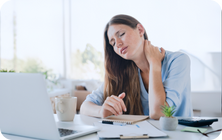
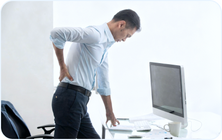





We’ve all been there—the alarm goes off, you try to roll out of bed, and suddenly your lower back feels like it’s made of rusted iron. Research suggests that roughly 80% of adults will experience back pain at some point in their lives (Source: American Chiropractic Association), and for many, the morning is when it feels most intense. Waking up with lower back pain is a frustrating way to start the day, especially when you feel like you’ve run a marathon instead of getting eight hours of rest.
Whether it’s a dull ache or a sharp "ouch," morning stiffness is a signal from your body that something needs to change, from your sleep posture to your recovery routine. The good news is that this isn't usually a permanent sentence. Understanding the biological triggers—like how heat therapy increases blood flow to relax those stubborn muscle spasms—can help you reclaim your mornings. In this guide, we’ll dive into why your back is acting up and show you how to pick the perfect tool to melt that tension away.
Why Does Waking Up With Lower Back Pain Happen?
If you find yourself groaning as you reach for your coffee, you aren't alone. Several factors conspire overnight to leave your spine feeling less than stellar by dawn.
Poor Sleep Posture
Your sleeping position is the foundation of spinal health. If you are a stomach sleeper, you might be forcing your spine into an unnatural arch all night. Even back and side sleepers can experience issues if their spine isn't properly aligned, leading to strained ligaments and "cold" muscles that tighten up by morning.
Disc Hydration and Stiffness
During the night, your spinal discs naturally soak up fluid and swell slightly (a process called imbition). While this is healthy, it makes the spine temporarily stiffer in the morning. If your back muscles are already tight, this extra pressure can cause significant discomfort the moment you try to move.
Inflammatory Cycles
For those with underlying conditions like arthritis, inflammation tends to peak in the morning after long periods of inactivity. Without movement to "pump" blood through the tissues, waste products build up, creating that classic morning stiffness that only seems to fade after a hot shower or a walk.
Can Heat Therapy Solve Morning Back Stiffness?
When you wake up with lower back pain, your first instinct might be to stretch. However, stretching "cold" muscles can sometimes cause more harm than good. This is where heat therapy becomes your best friend.
Relaxing Muscle Spasms
Heat therapy works by triggering vasodilation—the widening of blood vessels. When you apply a heating pad to your lower back, it increases the flow of oxygen-rich blood to the area. This helps the tiny muscle fibers that spent all night in a state of "clench" finally let go, reducing the intensity of spasms.
Increasing Range of Motion
By warming up the soft tissues around your lumbar spine, you improve their elasticity. Think of it like warming up a piece of taffy; when it’s cold, it snaps, but when it’s warm, it stretches beautifully. Using heat for 15-20 minutes before you even leave the bedroom can make your morning stretches much safer and more effective.
Natural Pain Management
Applying heat stimulates the sensory receptors in your skin, which can actually block pain signals from reaching the brain. It’s a drug-free way to dampen that early-morning ache so you can get through your morning routine without reaching for a bottle of ibuprofen.
What Are the Best Features for Back Pain Sufferers?
Not all heating pads are created equal, especially when you're dealing with the specific demands of the lower back area.
Fast Heating Technology
When you're hurting at 7:00 AM, you don't want to wait ten minutes for a device to get warm. You need a pad with rapid-heat technology. The K9224-Comfytemp Cordless XL Heating Padwith Massager heats up in seconds, providing almost instant relief so you can start your day faster.
Customizable Heat Settings
Everyone's "pain threshold" is different. Some mornings require a gentle warmth, while others need a higher intensity to penetrate deep muscle layers. Look for pads that offer at least 3 to 9 heat levels to ensure you can find the exact "sweet spot" for your recovery.
Hands-Free and Wearable Design
The biggest challenge with morning pain is that you eventually have to get up and move. A standard "flat" pad forces you to stay pinned to the bed or sofa. Choosing a wearable heating pad with stay-in-place straps allows you to strap the relief directly to your lumbar region, so you can brush your teeth or make breakfast while the heat continues to work.

How to Integrate Heat into Your Morning Routine?
The key to beating morning back pain is consistency. It’s not just about treating the pain once; it’s about creating a ritual that keeps the stiffness at bay.
The "Pre-Rise" Warmup
Keep your heating pad on your nightstand. Before you even swing your legs out of bed, turn it on and place it under your lower back for 15 minutes. This "pre-heats" your muscles, making the transition from lying down to standing up much less jarring for your spine.
Combining Heat with Gentle Movement
Once the area is warm, perform a few "Cat-Cow" stretches or pelvic tilts while still in bed. The combination of increased blood flow from the heat and gentle mobilization is the gold standard for clearing out morning stiffness.
Nightly Prevention
Believe it or not, the best way to handle morning pain is to start the night before. Using a K9015-Comfytemp Weighted Heating Pad for 20 minutes before sleep helps relax the nervous system and ensures your muscles are loose before you enter your sleep cycle, reducing the chance of waking up "locked."
Comparison: Flat Pads vs. Weighted Pads for Back Relief
Choosing the right shape and weight of your heating pad can drastically change how much relief you actually feel in your lower back.
|
Feature |
Standard Flat Pad |
Weighted Heating Pad |
|
Contact Quality |
Can leave gaps at the spine's curve |
Deeply contours to the lumbar arch |
|
Stability |
Slides around easily |
Stays in place with weight/straps |
|
Sensation |
Surface warmth only |
Provides "Deep Pressure Touch" |
|
Best For |
General use |
Targeted chronic lower back pain |
For those with a deep lumbar curve, a weighted option is almost always better because the glass beads inside push the heat directly into the tissue rather than letting it escape into the air.
How to Prevent Morning Back Pain Before It Starts?
While a heating pad is a miracle worker for relief, adjusting your sleep environment can help stop the pain from happening in the first place.
Upgrade Your Sleeping Surface
If your mattress is more than 7-10 years old, it may have lost the support necessary to keep your spine neutral. A medium-firm mattress is generally considered the "Goldilocks" zone for back pain sufferers, providing enough give for the shoulders but enough support for the hips.
The Pillow Placement Trick
If you sleep on your side, place a pillow between your knees. This prevents your top leg from pulling your pelvis out of alignment. If you sleep on your back, place a small pillow or rolled-up towel under your knees to maintain the natural curve of your lower back.
Mind Your "Morning Mechanics"
How you get out of bed matters. Instead of doing a "sit-up" style move, use the "Log Roll" technique: roll onto your side, use your arms to push yourself up, and swing your legs to the floor simultaneously. This protects your spine from sudden twisting or strain before it's had a chance to warm up.

FAQ About Morning Back Relief
Q1: Is it safe to use a heating pad every morning?
Yes, it is generally very safe to use heat therapy daily, provided you follow a few basic rules. Limit your sessions to 20-30 minutes to avoid skin sensitivity. Ensure your device has an Auto Shut-off feature to prevent over-exposure. If you have any loss of sensation (like from diabetes), consult your doctor first, as you might not be able to feel if the pad is getting too hot.
Q2: Should I use ice or heat for morning stiffness?
For morning stiffness that isn't caused by a brand-new injury (like a fall you had 5 minutes ago), heat therapy is almost always the answer. Ice therapy is designed to reduce swelling and numb sharp pain, but it can actually make "stiff" muscles feel tighter. Heat is the tool you need to "thaw out" those cold, rigid tissues and get your blood moving.
Q3: How hot should I set my heating pad for back pain?
The goal is "therapeutic warmth," not "scorching heat." You want a temperature that feels deeply soothing but doesn't cause you to sweat excessively or turn your skin bright red. Most people find that a medium setting (around 120°F to 130°F) is perfect for the lower back. Always start low and increase the heat gradually as your body acclimates.
Conclusion: Don't Let Back Pain Rule Your Day
Waking up with lower back pain doesn't have to be your "new normal." By understanding the science of why your body gets stiff overnight and utilizing tools like targeted heat therapy, you can transform your mornings from a struggle into a success. Whether it's through adjusting your pillow placement or using a professional-grade heating pad, relief is well within your reach.


