
























What ENTs Typically Recommend After a Hearing Loss Diagnosis
If you've recently left an ENT appointment with a hearing loss diagnosis, you're likely processing a lot of information. Most otolaryngologists follow established protocols: hearing aids for sensorineural loss, antibiotics or observation for conductive issues caused by infection, surgical options for specific structural problems, and protective measures to prevent further damage. For sudden sensorineural hearing loss, corticosteroids remain the standard of care when caught early.
What you probably didn't hear was a recommendation for red light therapy hearing loss treatment. That's because, as of now, no major clinical guideline includes photobiomodulation as a standard intervention. Yet online communities and wellness forums increasingly discuss it, leaving newly diagnosed adults wondering whether something is being missed.
The reality sits in a gray zone: preliminary research exists, but it hasn't crossed into mainstream clinical practice. Understanding where that research stands—and where it falls short—helps you have informed conversations with your care team rather than chasing unproven alternatives.
Where Red Light Therapy Enters the Conversation
Red light therapy, also called photobiomodulation or low-level laser therapy, uses specific wavelengths of red and near-infrared light—typically 630–700 nm and 700–1100 nm—to stimulate cellular activity. The mechanism hinges on cytochrome c oxidase, an enzyme in mitochondria that absorbs photons and potentially increases adenosine triphosphate (ATP) production. More cellular energy, in theory, supports tissue repair and reduces oxidative stress.
For hearing specifically, researchers hypothesize that cochlear hair cells and spiral ganglion neurons—both highly metabolically active and vulnerable to oxidative damage—might respond to targeted light delivery. The inner ear's delicate structures are notoriously difficult to treat pharmacologically due to the blood-labyrinth barrier, making non-invasive light delivery an appealing concept.
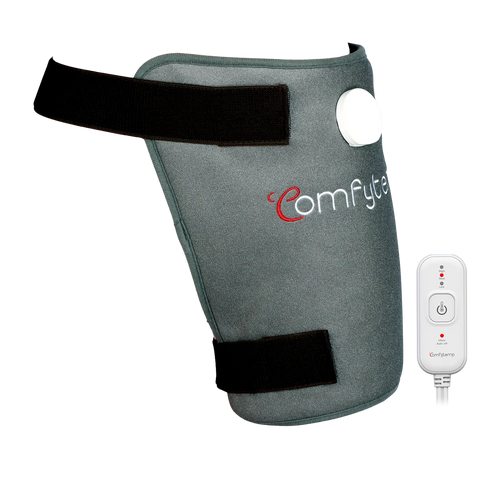
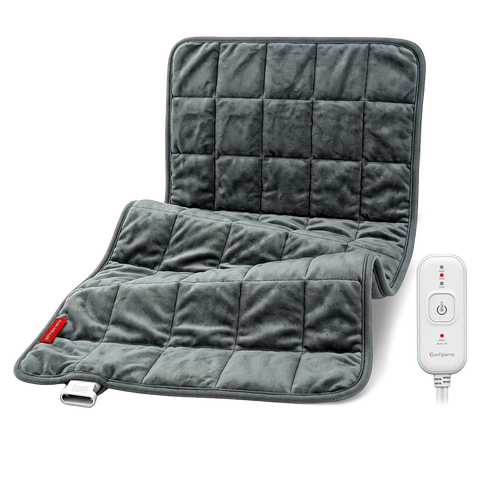
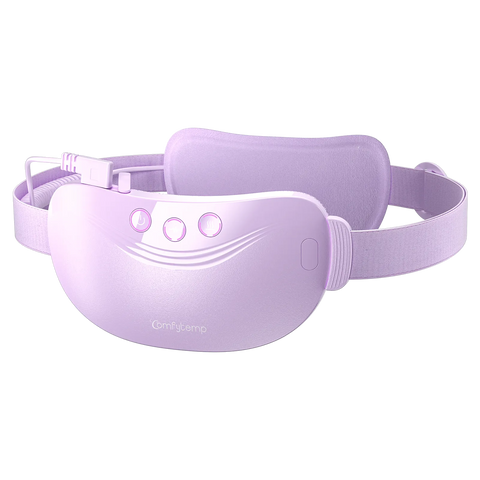
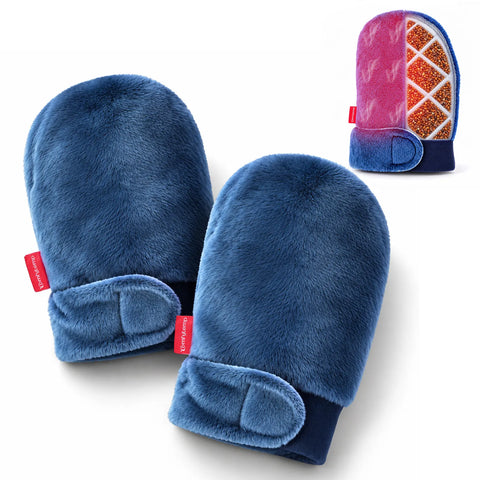
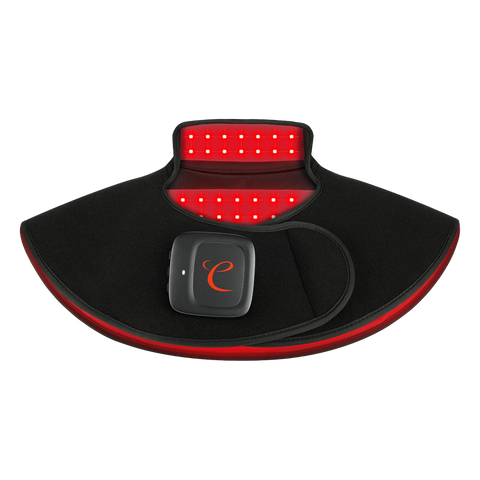
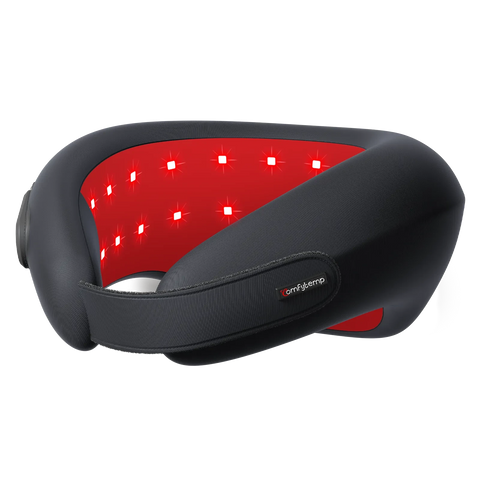
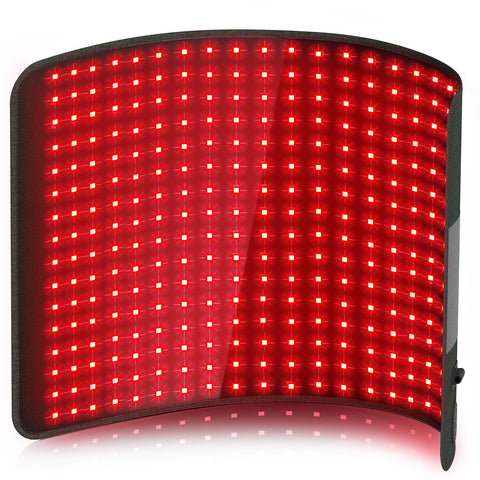
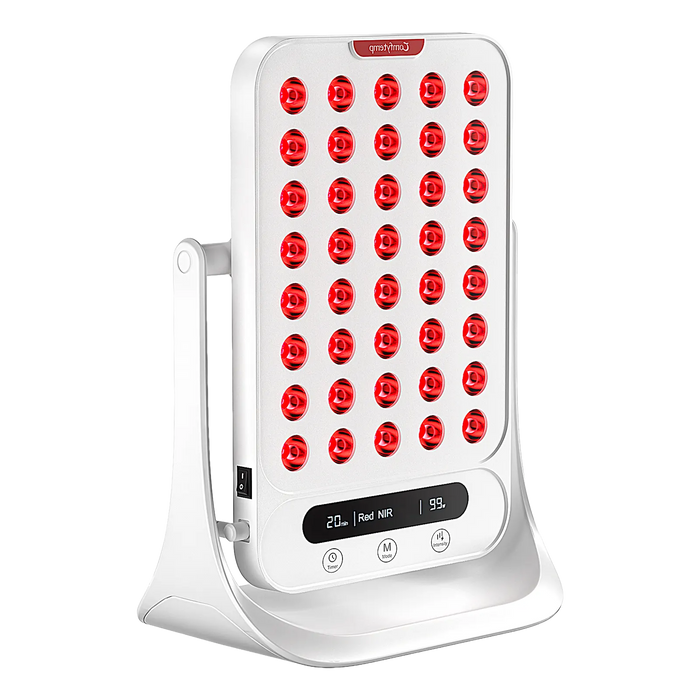
This is where Comfytemp's approach to home therapy intersects with broader wellness trends: drug-free, non-invasive modalities that people can explore alongside conventional care. However, the jump from "appealing concept" to "proven intervention" requires rigorous validation that hearing-specific applications haven't yet achieved.
What the Current Animal and Early Human Studies Show
The most cited animal work comes from rat and guinea pig models of noise-induced and drug-induced hearing loss. In a 2016 study by Rhee et al., low-level laser therapy at 808 nm applied to the tympanic membrane of gentamicin-treated rats showed partial preservation of outer hair cells compared to controls. Noise-exposed rats in subsequent studies demonstrated reduced threshold shifts when treated within 24 hours of acoustic trauma.
Human data remains extremely limited. A 2016 pilot study by Guneri and Mumcu treated 15 patients with chronic tinnitus using 650 nm laser irradiation via the external auditory canal. Results showed modest improvement in tinnitus handicap inventory scores for some participants, but the study lacked a control group, blinding, or objective audiometric changes. Another small 2019 trial examined transmeatal laser therapy for sudden sensorineural hearing loss as an adjunct to steroids, reporting no significant additive benefit over steroids alone.
Critical parameters vary wildly across studies: wavelength (650 nm vs. 808 nm), power density (ranging from 5 to 100 mW/cm²), treatment duration (10–30 minutes), number of sessions (3–20), and delivery method (transcutaneous, transmeatal, or post-auricular). This heterogeneity makes synthesis nearly impossible. What works in a rat's thin tympanic membrane may not translate through human tissue to the cochlea.
Why 'Explored' Is the Right Word: Limitations to Know
The gap between preliminary findings and clinical recommendation is substantial, and several hard limitations deserve emphasis.
Tissue penetration depth presents the first major hurdle. Near-infrared light penetrates several centimeters into soft tissues, but the adult human cochlea sits roughly 2.5–3 cm from the skin surface, shielded by temporal bone. Bone scatters and absorbs light far more than muscle or skin. Whether therapeutic irradiance reaches the organ of Corti at meaningful levels remains unproven.
Study quality is the second barrier. No randomized, double-blind, sham-controlled trial with adequate power has been published for hearing loss specifically. The existing human studies carry high risk of bias: small samples, no blinding, subjective outcomes, and inconsistent reporting of adverse events. Some studies conflate tinnitus improvement with hearing improvement—distinct outcomes that shouldn't be conflated.
Regulatory status matters too. No red light therapy device is FDA-cleared for hearing loss treatment. Marketing that implies otherwise overstates the evidence. FSA/HSA eligibility, where it exists for red light products, applies to general wellness or pain applications—not hearing-specific claims.
The timing question remains unresolved. Animal models suggest a narrow therapeutic window, with best results when treatment begins within hours of injury. For gradual age-related or noise-induced loss, it's unknown whether photobiomodulation can reverse established damage or only protect against acute insult.
The Mistake People Commonly Make
The most frequent error among newly diagnosed adults researching red light therapy hearing loss is treating preliminary data as definitive proof and delaying or replacing established interventions. Hearing aids fitted promptly after diagnosis improve speech understanding, reduce cognitive load, and may even support auditory cortex plasticity. Sudden sensorineural loss treated within 72 hours with corticosteroids has measurably better recovery rates.
Red light therapy, at its current evidence stage, should be viewed as a potential future adjunct—not a replacement for standard care. If you're considering it, the appropriate framing is: "I'm interested in exploring complementary approaches. What do you know about photobiomodulation research, and how might it fit with my current treatment plan?"
How to Evaluate Any Device or Clinic Offering This
If you encounter a provider or product targeting hearing loss with red light, use these criteria to assess legitimacy:
- Wavelength specificity: Claims should specify 630–850 nm range; vague "red light" descriptions suggest lack of technical rigor
- Irradiance documentation: Reputable sources disclose power density in mW/cm² at treatment distance; absence of this number is a red flag
- Delivery method skepticism: Ear canal inserts, post-auricular patches, and transcranial approaches all face different penetration challenges—be wary of any method presented as obviously superior without comparative data
- Outcome transparency: Legitimate researchers report both positive and null findings; marketing that only cites successes while ignoring failed trials is misleading
- Clinical supervision requirement: Any provider not insisting on baseline audiograms and ENT coordination is practicing below standard of care
Questions to Ask Your Audiologist Before Trying Anything New
Your audiologist and ENT can help you navigate this landscape more effectively than online forums. Consider these specific questions:
- "Given my specific type and degree of hearing loss, what does the evidence suggest about prognosis with standard treatment alone?"
- "Have you encountered patients who tried photobiomodulation, and what were their experiences?"
- "If I pursued a clinical trial for red light therapy, what would I need to discontinue or monitor?"
- "How would we objectively measure whether any adjunctive treatment is helping, versus natural fluctuation or placebo effect?"
- "Are there local research protocols I might qualify for, where I could contribute to evidence generation while receiving monitored care?"
If you have a pacemaker, epilepsy, or are pregnant or breastfeeding, consult your healthcare provider before using any red light therapy device, even for non-hearing applications.
Frequently Asked Questions
Q1: What is red light therapy, and how might it relate to hearing?
Red light therapy uses specific wavelengths of red and near-infrared light to stimulate cellular energy production. For hearing, researchers hypothesize it might protect or regenerate cochlear hair cells by reducing oxidative stress and improving mitochondrial function, though human evidence remains preliminary.
Q2: Has red light therapy been proven to restore hearing?
No. Some animal studies show partial protection against certain types of hearing damage under controlled conditions, and tiny human pilot studies report mixed subjective outcomes. No high-quality clinical trial has demonstrated hearing restoration in humans.
Q3: Why can't I just buy a red light device and use it on my ears?
Commercial wellness devices are designed for skin, muscle, and joint applications—not the inner ear's anatomy. Light penetration through bone to reach the cochlea is unproven, and self-treatment risks delaying evidence-based care that has established benefit.
Q4: Are there any clinical trials I can join?
ClinicalTrials.gov occasionally lists photobiomodulation studies for tinnitus or hearing conditions, though recruitment is limited. Participating in a trial contributes to needed evidence while providing monitored, standardized treatment—preferable to unregulated commercial offerings.
Q5: How does red light therapy differ from the lasers ENTs already use?
ENTs use high-powered surgical lasers for procedures like stapedotomy or tissue ablation—these cut or vaporize tissue. Photobiomodulation uses much lower power densities intended to stimulate rather than destroy, but this also means the biological effect, if any, is subtler and harder to target precisely.
Making an Informed Decision About Your Hearing Health
Red light therapy hearing loss research sits at an early, exploratory phase—genuinely intriguing to specialists following the field, but far from ready for standalone clinical application. The responsible path forward combines prompt engagement with proven interventions (hearing aids when indicated, steroids for sudden loss, protective measures to prevent progression) with open dialogue about emerging options.
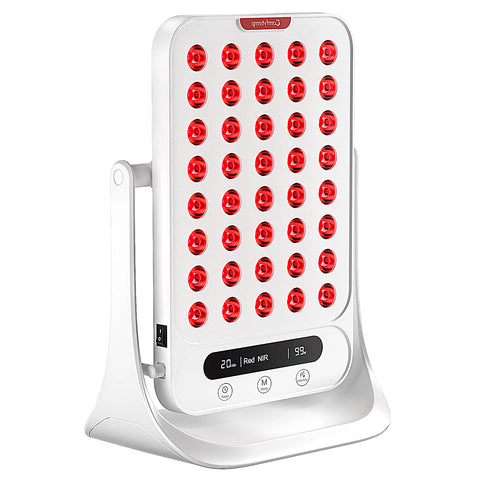
For those drawn to drug-free, non-invasive wellness approaches, Comfytemp's red light therapy lineup—including wearable belts and targeted panels—addresses applications with stronger evidence bases like muscle recovery and skin health. The hearing-specific frontier remains one to watch through legitimate research channels rather than premature commercialization.
If your symptoms persist or worsen despite standard treatment, or if you notice new changes in hearing, tinnitus character, or balance, see your medical professional promptly. The window for effective intervention in several hearing conditions is time-sensitive, and no experimental approach should obscure that urgency.


