







The Science Behind Each Approach
Anxiety relief comes in many forms, but two drug-free options have gained serious attention: red light therapy and meditation. Both work through entirely different biological pathways, which matters enormously if you need relief quickly.
Red light therapy delivers specific wavelengths of light—typically 660 nm (red) and 850 nm (near-infrared)—to penetrate skin and reach underlying tissues. Some studies suggest this light may influence mitochondrial function, potentially supporting cellular energy production and modulating inflammatory markers linked to stress responses. Clinical research indicates that near-infrared light exposure may help regulate cortisol patterns and support balanced autonomic nervous system activity. However, research specifically on anxiety remains limited; most studies focus on depression, sleep quality, or general mood improvement, with anxiety as a secondary measure.
Meditation, by contrast, has decades of robust research specifically targeting anxiety disorders. Meta-analyses of mindfulness-based interventions show consistent, moderate effect sizes for reducing anxiety symptoms. The mechanism involves top-down regulation: training prefrontal cortex areas to modulate amygdala reactivity, essentially rewiring your threat-detection system through repeated practice. This is well-established but fundamentally slow—neuroplasticity requires repetition.
The critical distinction: meditation changes brain structure and function over time, while red light therapy may offer more immediate physiological state shifts through cellular mechanisms. Neither approach "treats" anxiety medically; both may help ease symptoms as part of a broader wellness routine.
Time Commitment: Minutes Per Day Compared
For busy professionals, parents, or anyone in acute distress, time investment often determines adherence.
Red light therapy sessions typically run 10–20 minutes, with most protocols suggesting 3–5 sessions weekly. At-home devices from Comfytemp and similar brands allow multitasking—you can read, answer emails, or simply rest during exposure. No learning curve exists; you position the device and start the timer. Consistency matters, but missing a day doesn't reset progress dramatically.
Meditation demands vary enormously by technique. Mindfulness-based stress reduction (MBSR) protocols prescribe 45 minutes daily for 8 weeks. Even "mini" practices like breath-focused meditation require 10–20 minutes for meaningful benefit, and crucially, skill acquisition takes weeks. Early sessions often feel frustrating, with wandering minds and heightened awareness of racing thoughts—counterproductive for anxiety in the short term.
A practical reality check: meditation's benefits correlate strongly with total lifetime practice hours, not just current schedule adherence. Someone meditating 20 minutes daily for two months may feel less benefit than someone with two years of accumulated practice. Red light therapy shows more linear dose-response relationships in available research.
For the time-starved, red light therapy offers lower barrier to entry. For those with scheduling flexibility and patience for skill-building, meditation's compounding returns eventually outperform.

Cost Breakdown and Accessibility
Financial accessibility shapes sustainable anxiety management.
Red light therapy requires upfront hardware investment. Quality at-home panels or wearable devices range from $100–$500+, depending on irradiance (measured in mW/cm²) and coverage area. Comfytemp offers red light therapy belts and targeted wearables at accessible price points, with FSA/HSA eligibility for many purchasers. Ongoing costs are minimal—occasional device replacement after years of use. Professional clinic sessions run $50–$100 per visit, making home devices cost-effective within months.
Meditation can be genuinely free. Unguided practice requires zero equipment. However, most beginners benefit from structured instruction: apps like Headspace or Calm cost $70–$100 annually; MBSR courses run $300–$700; private instruction exceeds $100 hourly. Free YouTube resources exist but lack personalization and progress tracking.
Hidden costs matter too. Meditation's "free" option assumes you can self-direct effectively—many cannot, and ineffective practice wastes precious time without benefit. Red light therapy's hardware cost is transparent but may feel steep for the uncertain.
Consider your learning style and self-discipline honestly. Structured meditation programs often match red light therapy's first-year costs when accounting for instruction.
Speed of Noticeable Results: What Studies Show
This is where claims require careful scrutiny.
Red light therapy studies on mood show remarkably rapid subjective improvements—some participants report feeling calmer within 1–2 sessions, though these are typically small, uncontrolled observations. More rigorous trials measuring anxiety specifically suggest 2–4 weeks of consistent use before statistically significant changes emerge. The mechanism—potential modulation of inflammation and circadian rhythm—may produce faster physical relaxation (reduced muscle tension, better sleep that same night) before psychological anxiety diminishes.
Meditation meta-analyses reveal a different timeline. 8-week MBSR programs show reliable anxiety reductions, with benefits emerging gradually. Some individuals notice subtle shifts in 2–3 weeks; others require the full program. Critically, meditation often produces initial symptom increases—heightened awareness can temporarily amplify anxiety before regulation improves. This "worse before better" pattern is well-documented but rarely marketed.
A 2014 meta-analysis in JAMA Internal Medicine found mindfulness programs had moderate evidence for anxiety improvement, with effect sizes comparable to antidepressants for some populations—but only after sustained practice. No meditation study shows meaningful anxiety reduction from a single session.
For same-day relief, neither approach guarantees results. Red light therapy may edge ahead through secondary mechanisms: improved sleep quality that night, reduced physical tension, or placebo-enhanced relaxation from the ritual itself. For sustained, robust anxiety reduction, meditation's evidence base is substantially stronger—if you persist.

Limitations and Who Should Consider Alternatives
Neither approach suits everyone, and overstated marketing obscures important contraindications.
Red light therapy limitations: Research on anxiety specifically remains preliminary; most evidence is extrapolated from depression or general wellness studies. Eye protection is essential—never shine devices directly at eyes. Those with photosensitive conditions, active skin cancers, or on photosensitizing medications should consult their healthcare provider before use. Results vary significantly by device quality; underpowered panels (low irradiance) may deliver no biological effect despite glowing red light.
Meditation limitations: Not universally benign. Trauma survivors may experience dissociation or flooding during body-scan practices. Those with panic disorder sometimes find breath-focused techniques trigger hyperventilation anxiety. Meditation can paradoxically increase rumination in those with perfectionist tendencies who fixate on "doing it right." Severe anxiety may require clinical intervention before self-directed practices become viable.
If symptoms persist or worsen with either approach, seek evaluation from a medical professional. Neither replaces professional mental health care for diagnosed anxiety disorders.
Combining Both for Synergistic Benefits
The false dichotomy—choose one or the other—ignores genuine complementarity.
A combined protocol might look like: red light therapy during evening wind-down (supporting circadian rhythm and physical relaxation) plus morning meditation (building long-term emotional regulation capacity). The immediate soothing potential of light exposure could make subsequent meditation sessions more accessible, reducing the "worse before better" hurdle.
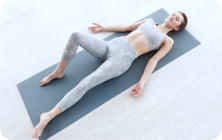
Physical positioning matters. Comfytemp's red light therapy belts or targeted wearables allow supine use—lying comfortably while receiving exposure. This same position suits many meditation styles, enabling sequential practice without setup friction.
The strategic logic: use red light therapy for acute state management (rough day, pre-sleep tension) and meditation for trait change (fundamentally reduced anxiety vulnerability over months). This parallels how athletes use both immediate recovery modalities and long-term training adaptations.
Frequently Asked Questions
Q1: Can I do red light therapy and meditation at the same time?
Yes, though effectiveness depends on your meditation style. Passive, open-awareness meditation pairs well with red light exposure. Concentration-intensive practices (complex visualizations, breath counting) may suffer from the mild sensory input of light therapy. Many users report the warmth and ritual of light exposure actually facilitates meditative states. Experiment with sequential versus simultaneous practice.
Q2: How quickly will I feel less anxious with either approach?
Expect no guaranteed same-day relief from either. Red light therapy may produce subtle physical relaxation within sessions, with mood effects building over 2–4 weeks. Meditation typically requires 4–8 weeks of consistent practice for reliable anxiety reduction, with individual variation enormous. Placebo effects and expectancy contribute to early perceived benefits for both.
Q3: Is red light therapy FDA-cleared for anxiety?
No. FDA clearance for red light devices generally covers pain relief and muscle relaxation indications, not anxiety specifically. Any anxiety benefits are off-label wellness applications. This distinction matters for setting appropriate expectations and evaluating marketing claims.
Q4: Can children or teenagers use red light therapy for anxiety?
Consult your healthcare provider before use with minors. While light therapy is generally considered low-risk, developing eyes and hormonal systems warrant professional guidance. Meditation adapted for youth (shorter durations, movement-based formats) has stronger pediatric research support.
Q5: Which costs less over a full year?
Bare-bones meditation (free apps, self-directed) wins on cost. Realistic beginner meditation with structured instruction approximately equals mid-range red light therapy device costs. Factor in your time value: meditation requires more daily minutes, while device use permits multitasking.
Making Your Decision
Red light therapy vs meditation anxiety relief isn't a zero-sum competition—it's a strategic choice based on your current resources and needs.
Choose red light therapy first if you: have limited time for skill-building, respond well to physical/sensory relaxation cues, want immediate ritual structure without learning curve, or need something compatible with multitasking. Consider Comfytemp's wearable red light options for integrated, cordless convenience.
Choose meditation first if you: have scheduling flexibility for daily practice, value lifelong transferable skills, seek robust long-term evidence, or have found body-based calming techniques effective previously.
The honest answer for most busy adults seeking rapid anxiety relief: start with red light therapy for immediate accessibility while gradually building meditation practice for sustainable, deepening benefits. The combination outperforms either alone, with red light therapy bridging the difficult early meditation weeks when anxiety sometimes temporarily increases.
Your nervous system deserves multi-faceted support. Whether you prioritize speed of implementation or depth of transformation, drug-free, non-invasive options now fit professional-grade wellness into everyday home routines—no prescription required, though professional consultation remains wise for persistent symptoms.


