






Quick Answer:
Sequential Compression Devices (SCDs) prevent Deep Vein Thrombosis (DVT) by mechanically mimicking the "calf muscle pump" to re-engage circulation in immobile patients. By inflating in a specific sequence—from ankle to knee—these devices help move blood toward the heart, effectively addressing venous stasis (one of the three pillars of the Virchow’s Triad). This active pumping prevents blood from pooling and thickening into clots during periods of high risk, such as post-surgery recovery or extended bed rest.
I. The Science of the Sequence: Why "Sequential" Matters
Many users ask why these devices don't simply apply constant pressure. The "sequential" nature of SCD technology is rooted in human physiology, specifically the architecture of our veins.
Following the Direction of Venous Valves
Your leg veins contain one-way valves designed to prevent blood from flowing backward. SCDs inflate in a precise Ankle → Calf → Knee sequence. This mimics a wave that follows the natural direction of these valves, ensuring blood is moved upward without creating backward pressure (reflux) below the compression cuff.
The Inflation-Deflation Cycle: Why Rest is Required
Unlike compression socks, which provide static pressure, SCDs use a cycle of inflation and deflation:
- Inflation Phase: Compresses the veins to move blood toward the heart.
- Deflation Phase: Allows the veins to refill with fresh, oxygenated blood. Without this pause, the tissue would not receive the nutrient-rich blood it needs to stay healthy.
Addressing Virchow’s Triad: The Root of DVT
Vascular experts often refer to Virchow’s Triad—the three factors that lead to blood clots:
- Venous Stasis (Stagnant blood flow)
- Endothelial Injury (Damage to the vessel wall)
- Hypercoagulability (Blood that clots too easily)
SCD therapy specifically targets Venous Stasis. By forcing blood to move, it removes the "stagnant" environment where clots are most likely to form.

II. Why Hospitals Require Overnight SCD Use
A common patient frustration is having to wear SCDs throughout the night. However, nighttime is when the risk is often highest:
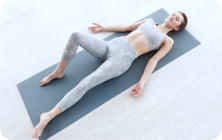
- Zero Muscle Activity: During sleep, the "calf pump" is completely inactive.
- Extended Immobility: Gravity can cause fluid to settle and blood flow to slow to its lowest point.
- Vulnerability: Most post-operative clots form during these long, inactive windows when the body is not moving.
III. Decision Flow: Do You Need Mechanical Compression?
Use this logic to determine the appropriate supportive therapy for your situation:
Are you recovering from major surgery (e.g., Knee/Hip Replacement)?
- Yes: Follow your doctor’s prescription for a Hospital-Grade SCD.
- No: See next.
Is your mobility limited (e.g., bed rest or long-haul flight)?
- Yes: Consider Air Compression Therapy to support healthy circulation.
- No: See next.
Do you experience "heavy legs" after standing at work?
- Yes: Home Air Compression Massagers or Compression Socks may help support comfort.
- No: Standard walking and movement are the best natural prevention.
IV. Who Should Avoid Compression Devices? (Contraindications)
To maintain safety, you must not use mechanical compression if you have:
- Active DVT: If a clot is already present, compression could dislodge it, leading to a pulmonary embolism.
- Severe Peripheral Arterial Disease (PAD): Restricted arterial flow makes external pressure dangerous.
- Acute Skin Conditions: Avoid use over infections, cellulitis, or fresh, open wounds.
V. Supportive Home Recovery Options
While hospital SCDs are for acute medical prevention, home-based air compression massagers utilize similar principles to support circulation during daily life.
- For Travel & Active Chores: The Comfytemp Cordless Calf Massager (K1002) is a portable solution that fits in carry-on luggage, perfect for managing "economy class syndrome".
- For Broad Leg Fatigue: The Foot and Calf Massager (K1011) provides more extensive coverage for those who spend 8-12 hours standing.
- For Combined Recovery: Post-op patients often pair circulation support with a Cold Therapy Machine to manage swelling and support comfort simultaneously.
VI. FAQ
Q: Can air compression replace walking?
No. Walking is the natural gold standard for circulation. Mechanical compression is a supportive tool for when you cannot walk or move.
Q: Are home leg massagers the same as hospital SCDs?
Not exactly. While they use similar sequential technology, hospital SCDs are medical devices used for clinical DVT prevention. Home massagers are wellness tools designed to help support healthy blood flow and reduce muscle fatigue.
Q: Is it normal to feel a "thumping" sensation?
Yes, as the chambers inflate, you should feel a firm but comfortable squeeze. If it causes pain, reduce the intensity immediately.
Medical Disclaimer: This article is for informational purposes only. It is not a substitute for professional medical advice. Always consult your surgeon or primary care physician before using compression therapy after a procedure.
Sources:
- Mayo Clinic – Deep vein thrombosis (DVT)
- Cleveland Clinic – Sequential Compression Devices (SCD)
- NHS (UK) – Preventing blood clots after surgery
- ACCP Clinical Guidelines – Prevention of VTE in Nonorthopedic Surgical Patients


%20Prevent%20DVT:%20A%20Science-Backed%20Guide)