

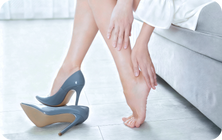
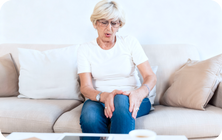


Quick Answer: Weighted heating pads may be preferred by individuals who find the combination of warmth and gentle pressure more comforting than standard heat application. While they are not clinically proven to be more effective than standard pads for medical recovery, the added weight helps the device stay in place on irregular body areas and provides a grounding sensation. This may influence how discomfort is perceived and is often associated with increased comfort for some users during evening relaxation or recovery routines.
What the Evidence Actually Says
When evaluating weighted heat therapy, it is important to distinguish between established biological mechanisms and user-reported sensory experiences:
- Heat Therapy: Well-documented to support circulation and muscle relaxation through vasodilation.
- Weighted Pressure: Often associated with Deep Pressure Stimulation (DPS), a sensory input that may be associated with a relaxation response similar to the effect of weighted blankets.
- Combined Effect: Direct clinical research comparing weighted vs. standard heating pads is limited. Most benefits are extrapolated from individual therapies, suggesting that the "better" option is often a matter of personal sensory preference rather than a proven medical advantage.
Decision Guide: Standard vs. Weighted Heating Pads
Choosing the right device depends on how your body responds to different sensory inputs.
|
Feature |
Standard Heating Pad |
Weighted Heating Pad |
|
Best For |
Quick, lightweight heat application |
Targeted tension & relaxation support |
|
Stability on Body |
May slip or require manual holding |
Stays in place naturally with weight |
|
Comfort Level |
Light and unobtrusive |
Grounding and "pressed" sensation |
|
User Type |
Users who prefer lightweight, quick heat application |
Users who prefer sensory grounding or stable positioning |
Comparison Summary: In general, weighted heating pads may be associated with increased comfort for users who prefer a grounding sensation, while standard heating pads offer a simpler, lighter heat-only experience.

Potential Benefits for Sensory Comfort
By integrating gentle pressure with thermal energy, weighted pads interact with the body's sensory pathways:
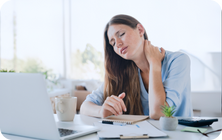
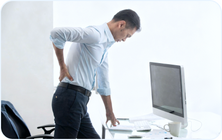
- Consistent Positioning: On irregular areas like the neck or lower back, the added weight ensures the pad may feel more stable, reducing the need for constant adjustment during use.
- Sensory Modulation: Based on the principles of the Pain Gate Theory, providing non-painful sensory inputs—like warmth and pressure—may influence how discomfort is perceived by the brain.
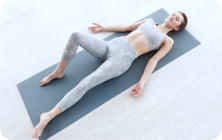
- Evening Recovery: For individuals experiencing "muscle guarding" (involuntary tension), the combined warmth and weight may be associated with a sense of calm, helping the body transition to a restful state.
Safety and Contraindications
To prioritize safety, consult a healthcare professional before use if you have any of the following conditions:
- Circulatory Issues: Advanced peripheral artery disease (PAD) or a history of blood clots.
- Sensory Deficits: Individuals with diabetes or peripheral neuropathy who may not perceive if the pad is becoming too hot.
- Limited Strength: The device should not be used by anyone unable to remove the weighted pad independently, including young children or the elderly.
The Bottom Line (Takeaway)
Weighted heating pads are not a replacement for medical treatment and are not clinically proven to be superior to standard pads for recovery. However, they are a popular choice for users who prefer the added stability and the grounding feel of gentle pressure combined with heat.
FAQ: Sensory Heat Support
Q1: Is it better for anxiety?
This relates to the sensory calming effects described in the relaxation support section above. While it may support stress relief, it is not a medical treatment for anxiety disorders.
Q2: Can I use a weighted pad for menstrual cramps?
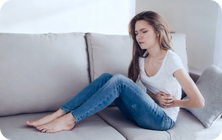
Building on the stability benefits mentioned earlier, some users prefer the "pressed" heat of a weighted pad to ensure consistent warmth across the pelvic area.
Q3: How heavy should the pad be?
Consistent with the grounding effect, most localized pads weigh between 2 and 5 pounds, which is generally sufficient to provide the desired sensation without being overwhelming.
Explore the Comfytemp Heat Therapy Collection to find a solution that balances professional-grade safety with personalized comfort.


