






Quick Answer: Compression boots are widely used in sports recovery and may help support circulation and reduce the feeling of post-exercise leg fatigue. Also known as recovery boots or air compression therapy devices, these tools utilize air pressure to mimic the body’s natural "muscle pump". While they do not replace rest, evidence suggests they may assist in the clearance of metabolic waste after intense training. However, research findings vary depending on training load, device settings, and individual response.
Do Compression Boots Actually Improve Recovery?
The effectiveness of leg recovery boots—technically known as intermittent pneumatic compression (IPC)—is a topic of significant interest in sports science. Evidence from small clinical studies and athlete-reported outcomes suggests potential benefits in perceived recovery, but high-quality large-scale trials remain limited. Current studiesLKevin indicate that pneumatic compression may improve perceived recovery and reduce muscle soreness in some athletes, particularly after high-intensity or endurance exercise. By managing local discomfort, these devices serve as a valuable supplement to a broader recovery routine.
How Sequential Compression Works: Fluid Dynamics and Circulation
Unlike static compression sleeves, air compression therapy works by applying intermittent, rhythmic pressure. This mechanical action may influence fluid dynamics in the lower limbs, including venous and lymphatic return.
- Venous Return Support: By driving pressure from the feet toward the heart, the boots may support the movement of deoxygenated blood through the veins.
- Lymphatic Drainage: Rhythmic inflation may assist the lymphatic system in moving interstitial fluid, potentially reducing minor swelling and the "heavy legs" sensation after exercise.
- Metabolic Waste Management: By improving local circulation, these devices may help the body more efficiently clear metabolic byproducts, such as lactic acid, which contribute to fatigue.

Comparison: Compression Boots vs. Other Athletic Recovery Tools
Choosing the right athletic recovery tools depends on your specific needs and how much effort you wish to put into your recovery session:
|
Feature |
Compression Boots |
Massage Gun |
Foam Roller |
|
Mechanism |
Intermittent pneumatic compression |
Percussive therapy |
Self-myofascial pressure |
|
Coverage |
Whole lower limb |
Local muscle points |
Local fascia |
|
User Effort |
Passive (hands-free) |
Semi-active |
Active |
|
Best For |
Circulation & fatigue |
Local trigger points |
Mobility & flexibility |
|
Recovery Evidence |
Moderate |
Moderate |
Low–moderate |
Who Benefits the Most from Air Compression Therapy?
While a staple for professional athletes, this technology is beneficial for anyone whose lifestyle taxes their lower extremities:
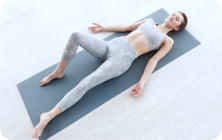
- Athletes & Gym Enthusiasts: Use them within 1-2 hours post-workout to support muscle recovery and manage Delayed Onset Muscle Soreness (DOMS).
- Frequent Travelers: Long flights or car rides can lead to leg swelling; portable devices are ideal for managing "travel legs".
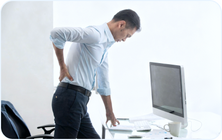
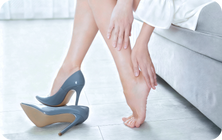
- On-Your-Feet Professionals: Nurses, teachers, and retail workers can use 20 minutes of compression after a shift to soothe tired, aching legs.
Product Recommendation: Comfytemp Cordless Leg Massager (K1002)
As a portable pneumatic compression device for leg recovery, the K1002is designed for users seeking post-exercise circulation support and muscle fatigue relief.
Why choose this model?
- Cordless Freedom: The rechargeable design allows for recovery anywhere without being tethered to a wall, making it perfect for use on the couch or while traveling.
- Integrated Heat: It combines air compression with soothing warmth, which may further support blood flow and muscle relaxation.
- FSA/HSA Eligible: As a recognized recovery tool, it is often eligible for purchase using health savings accounts.
FAQ: Common Questions About Recovery Boots
Q1: How long should you use compression boots for recovery?
Most athletes use compression boots for 20–30 minutes per session, which is generally considered sufficient to support circulation and post-exercise recovery without overstimulation.
Q2: Can I use them every day?
Generally, yes. Daily use for 20-30 minutes is considered safe for most healthy individuals and is particularly helpful after high-intensity training days.
Q3: Should I use them before or after exercise?
While primarily used for post-workout recovery, a 10-minute low-intensity session may help prime the muscles by increasing local blood circulation before training.
Conclusion: A Component of a Broader Recovery System
Compression boots are best viewed as part of a broader recovery system that includes sleep, hydration, nutrition, and active recovery. When integrated consistently, they may help support post-exercise comfort and circulation. While not a "magic fix," they are an exceptionally effective, non-invasive way to take control of your recovery and manage the physical demands of an active lifestyle.
Ready to support your legs' natural recovery? Explore the Comfytemp Air Compression Collection today and find the perfect partner for your wellness journey!


