







Quick Answer: To reduce swollen ankles quickly, elevate your feet above heart level for 20 minutes, apply cold therapy to constrict blood vessels, and avoid salt. For long-term relief related to travel or poor circulation, compression therapy and gentle movement like ankle pumps may support fluid drainage. If swelling is sudden and painful, consult a medical professional immediately.
What Causes Swollen Ankles (Peripheral Edema)?
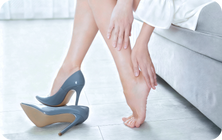
Understanding why your ankles are swelling is the first step toward effective relief. Swollen ankles, clinically known as peripheral edema, occur when excess fluid is trapped in the tissues of your lower legs.
Common causes include:
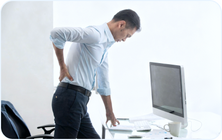
- Prolonged Inactivity: Sitting or standing for long periods prevents the "muscle pump" from moving blood upward.
- Fluid Retention: High sodium intake or dehydration can trigger the body to hold onto excess water.
- Minor Injuries: Sprains or strains often lead to localized ankle inflammation.
- Travel: Long-haul flights often cause "airplane ear" and puffy ankles due to cabin pressure and lack of movement.
- Underlying Conditions: Information from outside the sources: Pregnancy or chronic venous insufficiency may also be factors.

Comparison: Acute vs. Chronic Swelling Relief
|
Goal |
Best Method |
Recovery Tool |
|
Rapid Relief (Acute) |
Elevation & Cold Therapy |
|
|
Travel/Office Support |
Movement & Compression |
Air Compression Massager |
|
Long-term Recovery |
Circulation Support |
Red Light or Heat Therapy |
|
Prevention |
Diet & Hydration |
Sodium Reduction |
7 Proven Ways to Reduce Ankle Swelling
1. Elevation Above the Heart
Gravity is your most effective tool for fluid drainage. Lie down and prop your feet on pillows so they are higher than your heart. This allows the accumulated fluid to flow back toward the center of the body, reducing pressure in the lower extremities.
2. Strategic Compression Therapy
Compression helps prevent fluid from leaking into the surrounding tissues.
- How it works: By applying external force, you support the venous return and assist the lymphatic system.
- Pro Tip: Portable air compression wraps are particularly useful after travel or long workdays to mechanically mimic natural muscle contractions.
3. Targeted Cold Therapy for Inflammation
If your swelling is accompanied by heat or follows an injury, cold is essential.
- Why use it: Cold therapy causes vasoconstriction, which may reduce the volume of fluid entering the tissue.
- Implementation: Use a joint-specific ice wrap for 15–20 minutes to manage puffy ankles.
4. Activate the "Second Heart" (Calf Muscles)
Your calf muscles act as a pump for your circulatory system. Even while sitting, you can perform ankle pumps:
- Extend your legs.
- Point your toes away from you, then flex them back toward your shins.
- Repeat 20 times every hour to encourage blood flow.
5. Proper Hydration and Sodium Balance
When you are dehydrated, your body retains salt, which in turn leads to fluid retention. Drinking more water helps your kidneys flush out excess sodium. Aim for a balanced intake to stabilize your body's natural fluid levels.
6. Low-Level Light Therapy for Recovery
For chronic swelling that leads to stiffness, light therapy may offer non-invasive support.
- The Science: Deep-penetrating light (660nm/850nm) may support natural recovery and reduce localized discomfort.
- Application: Devices like thered light pad can be wrapped around the foot and joint area to promote circulation during rest.
7. Gentle Manual Drainage
Light, upward strokes from your toes toward your knees can help guide trapped fluid toward the lymph nodes. This is most effective when performed immediately after elevation.

Action Plan: 24-Hour Recovery Protocol
The "Post-Flight" Recovery Plan
- Hour 1: Elevate legs above the heart for 20 minutes.
- Hour 2: Use an air compression massager on a medium setting to support circulation.
- Ongoing: Drink 16oz of water and avoid high-sodium snacks.
- Before Bed: Apply 15 minutes of cold therapy if ankles feel hot or inflamed.
FAQ: Frequently Asked Questions
Q1: Is walking good for swollen ankles?
Yes, light walking is one of the best ways to activate the muscle pump. However, avoid intense exercise if the swelling is due to an acute injury like a sprain.
Q2: Is heat or ice better for swollen ankles?
Ice is generally better for acute swelling and inflammation. Heat is more suitable for chronic muscle stiffness but may worsen swelling if applied to an active inflammatory site.
Q3: How long does ankle swelling typically last?
Swelling from standing or travel usually subsides within 24 hours of rest and elevation. If swelling persists for several days, seek medical advice.
Q4: When should I worry about swollen ankles?
Consult a healthcare provider if swelling is sudden, affects only one leg, or is accompanied by chest pain, shortness of breath, or skin redness.
Conclusion
Reducing swollen ankles is a combination of removing the cause (like salt or inactivity) and assisting the body's natural drainage through elevation and compression. By integrating these non-invasive methods, you can improve your mobility and recover faster from daily stressors.
Medical Disclaimer: This content is for informational purposes and may support recovery. It does not replace professional medical advice. Always consult a healthcare provider for persistent or severe swelling.


