






Quick Answer: Many people find that their shoes feel tighter or their ankles look puffy after a long shift, leading them to wonder why do my feet swell after standing all day. This condition, known as physiological edema, happens because gravity increases the pressure in your leg veins, causing fluid to leak into the surrounding tissues. To find relief, you may benefit from a combination of high elevation, graduated compression, and active circulation support to help your "second heart"—the calf muscles—pump fluid back toward the heart.
What Causes Feet to Swell After Standing All Day?
When you stand for several hours, your circulatory system faces a significant mechanical challenge. Understanding why do my feet swell after standing all day requires looking at how your body manages fluid against the pull of gravity.
Gravity and Blood Pooling (Venous Pressure)
When you stay upright for long periods, your blood must fight a constant battle against gravity to return to the heart. This can lead to "pooling" in the lower legs, which increases the pressure inside your veins. In simple terms, your blood is struggling to flow back up your legs when you stay still for too long.
Reduced Calf Muscle Pump Activity
The calf muscles are often called the body's "second heart". In a healthy walking gait, these muscles contract to squeeze the veins and push blood upward. Stationary standing causes this "pump" to stall, allowing fluid to settle in the tissues. Think of it like a pump that only works when you are moving; when you stop, the fluid stops moving too.
Capillary Leakage (Fluid Shift)
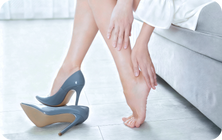
As pressure builds up in the small blood vessels (capillaries), it may contribute to a "fluid shift." This pressure can force water out of the vessels and into the spaces between your cells, resulting in visible puffiness .
Heat and Dehydration Factors
High temperatures can cause your blood vessels to widen (vasodilation), which may contribute to swelling. Furthermore, dehydration can be associated with mild fluid retention as the body tries to hold onto salt and water to maintain its internal balance.
Lifestyle and Risk Factors
Specific factors can make swelling more likely, such as a high-sodium diet, carrying excess body weight, or wearing shoes that lack proper arch support.
When Should You Be Concerned? (Red Flags)
While minor puffiness after work is common, certain symptoms may indicate a serious vascular condition requiring urgent medical evaluation.
Normal Swelling Signs
- Swelling is symmetrical (affects both feet equally).
- The puffiness resolves after a night of rest or high elevation.
Red Flags (Seek medical attention immediately)
- Unilateral Swelling: Severe swelling in only one leg.
- Pain and Heat: The swollen area is painful, red, or warm to the touch.
- Sudden Onset: Swelling that appears suddenly without an obvious cause.
- Systemic Symptoms: Swelling accompanied by chest pain or shortness of breath. Note: These symptoms may indicate a Deep Vein Thrombosis (DVT) or blood clot, which is a medical emergency.

5 Proven Recovery Tips for Swollen Feet
Tip 1 — Elevate Your Legs Properly
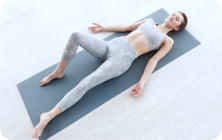
To reduce venous pressure, you must utilize gravity. Elevate your feet above the level of your heart for at least 15–30 minutes. This allows gravity to help your lymphatic system drain excess fluid back toward your core.
Tip 2 — Activate the Calf Muscle Pump
If your job requires standing, perform micro-movements. Every 30 minutes, do "calf pumps" by lifting your heels while keeping your toes on the floor. This re-engages the muscle pump to push blood upward.
Tip 3 — Compression Socks (Clinically Supported)
Graduated compression socks (typically 15–20 mmHg) apply gentle pressure at the ankle that gradually decreases up the leg. This may help support healthy circulation and prevent fluid from leaking into the tissue during long shifts.
Tip 4 — Cold Therapy / Contrast Method
Cold therapy triggers vasoconstriction, where blood vessels narrow to reduce the volume of fluid reaching the swollen area.
- Contrast Method: Alternating between a warm soak (3 minutes) and a cold soak (1 minute) can create a "pumping" effect to flush out metabolic waste.
Tip 5 — Hydration + Sodium Balance
Staying hydrated may contribute to reduced swelling because it helps your body flush out excess sodium. High salt intake causes your cells to hold onto water, which can worsen edema throughout the day.
Recommended Relief Tools (Optional Support)
For those managing chronic leg fatigue or recurring evening swelling, these tools may provide additional comfort:
- Targeted Cold Relief: A contoured wrap like the Comfytemp Foot & Ankle Ice Pack Wrap (K9170) provides 360-degree coverage that stays in place while you relax.
- Active Compression: Devices like the Comfytemp Cordless Leg Massager (K1002) use gradient pressure to mimic the natural "pumping" of calf muscles, which may support circulation.
- Circulation Support: The Comfytemp 3D Foot Red Light Therapy Wrap (K4019) utilizes specific wavelengths that may support cellular energy and local blood flow.
Lifestyle Prevention Tips
- Choose Proper Footwear: Wear shoes with cushioned soles and arch support to distribute your weight evenly.
- Break Up Standing Time: If possible, take a 10-minute walk every hour to keep the "second heart" active.
- Maintain a Healthy Weight: Reducing excess body weight can lower the constant pressure on your lower-body veins.
FAQ
Q1: Is it normal for my feet to swell after work?
Yes, many people wonder why do my feet swell after standing all day. Mild swelling is common due to gravity and reduced circulation when you are upright for long periods.
Q2: How long does it take for swelling to go away?
Minor swelling usually subsides within 1–2 hours of high elevation or after a full night of sleep.
Q3: Can dehydration cause swollen feet?
Surprisingly, yes. When the body is dehydrated, it may retain more salt and fluid to compensate, which can lead to increased puffiness.
Q4: Are compression socks really effective?
Graduated compression is clinically supported to improve venous return and is a standard tool for preventing fluid from pooling in the lower extremities.
Q5: When should I worry about swollen feet?
You should consult a professional if the swelling is sudden, painful, happens in only one leg, or is accompanied by difficulty breathing.
Medical Disclaimer: This article is for informational purposes only and does not replace professional medical diagnosis. If symptoms are severe or persistent, please consult a healthcare professional.


)