


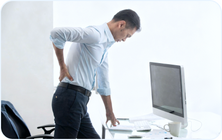





When you tweak your back lifting a heavy box or feel that familiar throb in your knee after a morning jog, the first question is almost always: “Should I reach for the ice pack or the heating pad?” It’s a common dilemma that leaves many people frozen in indecision. Choosing the wrong one won’t necessarily cause harm, but it can slow down your recovery or even make discomfort feel more intense. The good news is that there’s a simple science to the “ice versus heat” debate that can help you make the right call every time.
In this guide, we are going to break down the "Emergency Brake" effect of cold therapy and the "Relaxation Engine" power of heat therapy. By understanding how these temperatures interact with your blood vessels and nerves, you can stop guessing and start healing. Whether you’re dealing with a brand-new sprain or a chronic ache that’s been bothering you for years, we’ll show you exactly when—and how—to use each method for maximum relief.
Is It Better To Use Ice Or Heat For Your Pain?
Deciding between cold and heat doesn't have to be a guessing game if you follow the "Golden Rule" of recovery. Generally, ice is for "new" problems—injuries that happened within the last 48 to 72 hours where swelling and sharp pain are the main issues. Heat is for "old" problems—those lingering aches, stiff muscles, and chronic conditions that need better blood flow to feel better.
To make things even easier, here is a quick decision table to help you grab the right tool immediately:
|
Injury Type |
Preferred Therapy |
Goal of Treatment |
|
New Injury (0-72 hrs) |
Cold Therapy |
Reduce swelling and numb sharp pain. |
|
Chronic Stiffness |
Heat Therapy |
Relax tight muscles and improve flexibility. |
|
Acute Inflammation |
Cold Therapy |
Constrict blood vessels to stop "throbbing." |
|
Muscle Spasms |
Heat Therapy |
Increase blood flow to soothe the cramp. |
|
Pre-Workout Prep |
Heat Therapy |
Warm up tissues for better range of motion. |
|
Post-Workout Soreness |
Cold Therapy |
Calm down minor joint irritation. |
By following this simple roadmap, you can ensure you're supporting your body’s natural healing process instead of fighting against it. Let's take a closer look at why these two methods work so differently.
Why Is Cold Therapy Considered The "Emergency Brake" For Injuries?
Think of cold therapy as your body’s internal "emergency brake." When you get a fresh injury, your body’s immediate response is to flood the area with blood and inflammatory markers, which causes that familiar swelling and heat. Applying ice triggers a process called vasoconstriction, where your blood vessels narrow. This reduces blood flow to the area, which acts as a natural way to keep swelling from getting out of control.
Biological Mechanism Of Vasoconstriction
When the skin temperature drops, the underlying blood vessels tighten up. This is crucial for acute injuries because it limits the amount of fluid that leaks into the surrounding tissues, effectively braking the inflammatory response. Additionally, the cold slows down the speed at which pain signals travel along your nerves, providing a powerful numbing effect that can make sharp pain much more manageable.
Ideal Scenarios For Ice Application
You should reach for the ice pack if you are dealing with a "red, hot, or swollen" situation. This includes:
- Acute Injuries: Ankle sprains, bruised muscles, or pulled tendons within the first three days.
- Post-Exercise Irritation: If your joints feel "angry" or swollen after an intense gym session.
- Initial Post-Surgery Care: Managing the early stages of recovery under medical guidance.
Risks and Best Practices
While ice is great, more isn't always better. To avoid skin damage or frostbite, never apply ice directly to bare skin; always use a barrier like a thin towel. Limit your sessions to 15-20 minutes at a time, allowing the skin to return to a normal temperature before starting again.
Using cold therapy correctly in those first few hours can significantly cut down on your total recovery time by keeping inflammation in check from the very start.

How Does Heat Therapy Act As A "Relaxation Engine" For Muscles?
If ice is the brake, heat therapy is the "relaxation engine." Instead of closing things down, heat opens them up through a process called vasodilation. This widening of the blood vessels allows a surge of oxygen-rich blood and nutrients to reach the affected area. For chronic pain and stiff muscles, this is exactly what the doctor ordered, as it helps "thaw out" rigid tissues and flushes away metabolic waste like lactic acid.
Biological Mechanism Of Vasodilation
When you apply warmth—whether from a heating pad or a warm bath—your blood vessels expand. This increased circulation doesn't just feel good; it actually helps the muscle fibers relax and become more pliable. This is why heat is so effective for "stuck" or "knotted" muscles that feel like they just won't let go.
Best Times To Turn On The Heat
Heat is your best friend for non-inflammatory, lingering discomfort. Key uses include:
- Chronic Pain: Long-term lower back issues or "weather-related" joint aches.
- Morning Stiffness: Thawing out that "rusted iron" feeling in your spine when you first wake up.
- Menstrual Cramps: Relaxing the smooth muscles of the uterus to find relief from monthly spasms.
- Pre-Workout Warm-up: Loosening up tight spots before you start moving to prevent new injuries.
Safe Heating Habits
The goal of heat therapy is "soothing warmth," not "scorching heat." Using a device with an auto-off feature is essential, especially if you tend to drift off while relaxing. Avoid using heat on open wounds, areas with significant bruising, or any spot that is already red and swollen, as adding heat to an active inflammation can actually make the swelling worse.
By strategically using heat, you can transform your daily recovery routine from a struggle into a deeply relaxing, professional-grade experience at home.

Which One Should You Choose For Common Aches And Pains?
Sometimes, the choice isn't as clear-cut as a brand-new sprain versus an old backache. Some conditions are a bit more nuanced and might require a "head-to-head" comparison to decide which temperature will actually help.
The Back Pain Battle
For back pain, the strategy often changes over time. If you just "threw out" your back and it’s throbbing, use ice for the first 48 hours to calm the nerves. However, if your back is just perpetually tight from sitting at a desk all day, heat is the superior choice to melt away that tension.
Managing Arthritis Discomfort
Arthritis is a "stiffness" condition, so heat is generally the go-to for improving joint mobility in the morning. However, if you are experiencing a "flare-up" where the joint is visibly red, swollen, and warm to the touch, switch to cold therapy until the acute inflammation subsides.
Dealing With Different Types Of Headaches
Not all headaches respond the same way. If you have a migraine, many people find that a cold wrap on the forehead or the back of the neck helps numb the throbbing. But if you have a "tension headache" caused by tight neck and shoulder muscles, a heating pad on your upper back can often stop the headache at the source.
Understanding these nuances allows you to tailor your therapy to the specific type of pain you're feeling right now, rather than just following a one-size-fits-all approach.
When Should You Use Both In A Contrast Bath?
There are times when you don't have to choose—you can use both! This is known as "Contrast Therapy" or a "Contrast Bath." By alternating between cold and heat, you create a "pump" effect in your tissues. The cold constricts the vessels, and the heat dilates them. This rapid switching back and forth acts like a physical pump that flushes out metabolic waste and brings in fresh, healing blood.
The "Muscle Pump" Effect
This technique is a favorite among athletes for recovering after a heavy training cycle. The constant shifting between "closed" and "open" blood vessels helps reduce overall muscle soreness and can speed up the repair of micro-tears in the muscle fibers.
How To Apply At Home
The standard ratio is often 3:1—three minutes of heat followed by one minute of cold, repeated three to four times. Always end on the temperature that matches your current state: if you’re still a bit swollen, end on cold. If you’re just trying to loosen up, end on heat.
Contrast therapy is a powerful way to get the best of both worlds, provided you are past the initial "emergency" phase of an injury.
What Are The Important Safety Warnings To Remember?
While ice and heat are generally safe, there are specific situations where you should skip both and call a professional. Safety always comes first when you're managing pain at home.
Sensory And Circulation Issues
If you have a condition that affects your ability to feel temperature—such as advanced diabetes or peripheral neuropathy—you must be extremely careful. Because you might not feel if the area is getting too cold or too hot, you run a high risk of "silent" burns or frostbite. Always consult a doctor before starting a routine if you have these conditions.
Signs Of Trouble
Stop your therapy immediately if you notice:
- Skin Discoloration: If the skin turns deep purple, bright red, or looks "mottled."
- Numbness or Tingling: If the area feels "dead" or develops a painful pins-and-needles sensation that doesn't go away.
- Increased Pain: If applying either temperature makes the pain sharper or more intense.
Remember, if your pain is severe, accompanied by a fever, or doesn't show any improvement after a week of home care, it’s time to see a healthcare provider for a proper diagnosis.
Frequently Asked Questions (FAQ)
Q1: Can I use heat on a fresh ankle sprain?
Actually, using heat on a brand-new sprain is one of the most common mistakes people make. When an injury is fresh (under 72 hours), the area is already dealing with significant internal "heat" and swelling. Adding a heating pad to this situation will cause the blood vessels to dilate even further, potentially flooding the area with more inflammatory fluid and making the swelling significantly worse. Stick to the "Emergency Brake" of ice for the first few days to keep things manageable.
Q2: Is it okay to sleep with an ice pack or heating pad?
Generally, it is not recommended to sleep with an ice pack or a traditional heating pad because you lose the ability to monitor how your skin is reacting. With ice, you risk frostbite if the pack stays on for hours. With heat, you risk low-temperature burns. However, if you use a professional device like a heating pad with a built-in Auto Shut-off feature (usually set to 2 hours), it provides a much safer layer of protection by ensuring the device turns itself off even if you drift into a nap.
Q3: How many times a day can I apply heat for chronic pain?
For chronic issues like a stiff back, you can use heat therapy multiple times a day as long as you give your skin a break. A good rule of thumb is "20 minutes on, 40 minutes off." This allows your body temperature to reset and prevents over-sensitizing your skin. Many people find a morning session helps "thaw out" for the day, while an evening session helps relax the body for better sleep. Always check your skin between sessions for any signs of irritation or redness.
Conclusion: Ready To Master Your Recovery?
Choosing between cold and heat therapy doesn’t have to be a source of stress. By remembering the simple rule—ice for new and heat for old—you can take control of your pain management with confidence. Whether you’re reaching for an ice pack to stop a throb or a Comfytemp Weighted Heating Pad to melt away a long day’s tension, you now have the scientific roadmap to do it safely and effectively.
Don’t let a simple ache turn into a week-long struggle. Explore the Comfytemp Hot & Cold Therapy Collection today and find the perfect tools to keep you moving, pain-free!


