


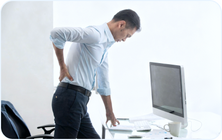


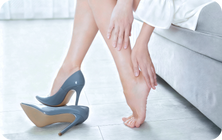



Heat therapy has been a trusted remedy for soothing sore muscles and joints for centuries, evolving from ancient hot stone rituals to the sophisticated electric devices we use today. Whether you are dealing with a stiff back after a long day at the office or recovering from an intense workout, applying heat is a natural, non-invasive way to find relief without reaching for a pill bottle.
This guide explores the biological mechanisms that make heat so effective and provides a roadmap for selecting the right heating pad to suit your specific recovery needs. By understanding the science behind the warmth, you can transform your pain management routine into a targeted, professional-grade experience at home.

How Does Heat Therapy Work to Relieve Pain?
Understanding why heat feels so good starts with looking at how your body responds to temperature changes at a cellular level. When you apply a heating pad, it isn't just about the surface-level warmth; it's about triggering a cascade of biological responses that promote healing and relaxation.
Biological Mechanism of Vasodilation
The primary function of heat therapy is vasodilation, which is the widening of blood vessels in the treated area. This process significantly increases blood flow, delivering a fresh supply of oxygen and essential nutrients while simultaneously flushing out metabolic waste products like lactic acid that cause muscle soreness.
Application of Pain Gate Theory
Heat therapy works on the principle of the Pain Gate Theory. By stimulating the sensory receptors in your skin, heat signals travel to the brain faster than pain signals, effectively "blocking" the sensation of discomfort. This provide almost immediate neurological relief for both acute and chronic aches.
Targeted Muscle Relaxation
When muscles are stressed, they tend to spasm and contract, leading to restricted movement and pain. Applying heat helps to relax these smooth muscles and increases the elasticity of soft tissues. This improved flexibility makes it easier to move and reduces the risk of further strain during daily activities.
What Are the Key Benefits of Using a Heating Pad?
A heating pad is more than just a comfort item; it is a versatile tool for managing a wide range of physical conditions. From chronic medical issues to lifestyle-related fatigue, the benefits of regular heat application are extensive.
Chronic Pain Management
For individuals living with conditions like arthritis or long-term lower back pain, heat therapy is a game-changer. Consistent warmth helps manage the daily stiffness associated with joint degradation, making it easier to maintain an active lifestyle.
Post-Workout Recovery Support
Athletes often use heat to combat Delayed Onset Muscle Soreness (DOMS). After the initial inflammation of a workout has subsided, heat helps loosen tight fibers and speeds up the repair of micro-tears in the muscle tissue.
Menstrual Cramp Relief
Heat is one of the most effective non-drug treatments for primary dysmenorrhea. Placing a heating pad on the lower abdomen helps relax the uterine muscles, significantly reducing the intensity of monthly cramps.
Stress and Tension Reduction
The calming effect of heat extends to the nervous system. A session with a heating pad can lower cortisol levels and provide a sense of overall well-being, making it an excellent tool for winding down after a high-stress day.
Which Type of Heating Pad Is Best for Your Needs?
Choosing the right device depends on the depth of your pain and your lifestyle preferences. There are several distinct technologies available, each offering unique advantages for recovery.
Standard Electric Heating Pads
These are the most common pads used for general muscle relaxation. They heat up quickly and are perfect for surface-level aches, providing a consistent and adjustable temperature for daily use.
Far Infrared (FIR) Heating Pads
If you need to reach deep-seated muscle knots, Infrared (FIR) technology is superior. Unlike standard pads that only warm the skin, infrared rays penetrate deep into the muscle tissue to stimulate healing from the inside out, making them ideal for chronic sciatica or deep-tissue injuries.
Comparison of Moist vs. Dry Heat
|
Feature |
Dry Heat |
|
|
Penetration |
Deep and rapid |
Surface-level |
|
Skin Effect |
Maintains hydration |
Can be drying |
|
Convenience |
May require water/inserts |
Easy to clean and use |
|
Best For |
Intense muscle spasms |
General relaxation |
Portable Microwavable Pads
These moist pads, often filled with grains or clay beads, are great for short-term, targeted relief. While they don't stay hot as long as electric models, their flexibility makes them easy to wrap around the neck or joints.

What Essential Features Should You Look For?
When investing in a heating pad, you want a balance of comfort, safety, and durability. High-quality brands like Comfytemp prioritize these features to ensure a therapeutic experience.
Material and Comfort Quality
Look for pads made from ultra-soft fabrics like micro-plush. These materials are gentle on sensitive skin and help distribute heat evenly without creating localized hot spots that can cause discomfort.
Precision Temperature Control
A professional-grade pad should offer multiple heat settings. This allows you to customize the intensity based on whether you need a gentle "soak" or a more intense thermal treatment.
Safety and Auto Shut-Off
Safety is paramount when using electrical heat. Ensure your device has an Auto Shut-off timer, which prevents the pad from overheating if you accidentally fall asleep during your session.
Optimal Size and Shape
For lower back pain, an extra-large (XL) pad is highly recommended to cover the entire lumbar region. For those who need to stay mobile, the K9224-Comfytemp Cordless XL Heating Pad with Massager provides a wearable design with straps, allowing you to move around while receiving treatment.
How to Use Heat Safely for Effective Results?
While heat is a safe therapy for most, it must be used correctly to avoid skin irritation or injury. Following a few simple guidelines will help you get the most out of your device.
Adhering to the 20-Minute Rule
Experts generally recommend limiting heat application to 20 minutes per session. This is the "sweet spot" that allows for maximum vasodilation without overtaxing the skin or causing "rebound" inflammation.
Identifying Who Should Avoid Heat
Heat therapy is not suitable for everyone. Individuals with diabetes or peripheral neuropathy should be cautious as they may have reduced heat sensitivity. Additionally, you should never apply heat to an area with an open wound or an acute injury that is still actively swelling.
Protecting Your Skin
Always use a protective layer between the heating pad and your skin if the device feels too hot. For a more soothing experience, the K9015-Comfytemp Weighted Heating Pad uses pressure to ensure the pad stays in place while the weighted feel provides additional relaxation for the nerves.
FAQ: Common Questions About Heat Therapy
Q1: Can I sleep with a heating pad on all night?
It is strongly advised not to sleep with a heating pad turned on for the entire night. Prolonged exposure to even low heat can cause skin irritation or low-temperature burns that you might not notice while asleep. If you tend to doze off, always choose a model with an Auto Shut-off feature (typically set to 2 hours) to ensure the device powers down safely once its therapeutic job is done.
Q2: Is heat or ice better for lower back pain?
The choice between heat and ice depends on the timing of your pain. Ice therapy is the "emergency brake" for new injuries (less than 48 hours old) because it reduces swelling. Heat therapy is the "relaxation engine" for chronic stiffness and old aches. If you wake up with a stiff back every morning, heat is the superior choice because it "melts" the tension and prepares your muscles for the day’s movement.
Q3: How many times a day can I apply heat?
You can use heat therapy multiple times a day, provided you give your skin adequate time to recover. A standard recommendation is to use the pad for 20 minutes, then wait at least an hour before the next session. Many people find it beneficial to use heat once in the morning to tackle stiffness and once in the evening to relax before bed.
Conclusion: Take Control of Your Recovery
Heat therapy is a powerful, science-backed tool that puts professional pain relief in the palm of your hand. By choosing a high-quality heating pad that fits your specific needs—whether it's the deep penetration of infrared or the soothing comfort of a weighted plush pad—you can effectively manage daily aches and improve your quality of life.


