





Quick Answer: For most home users, the optimal window for a compression boot session is 20 to 30 minutes. This timeframe is grounded in the "active pumping" cycle required to move interstitial fluid and metabolic waste without causing tissue habituation. While athletes may extend sessions to 45 minutes following high-intensity training, exceeding an hour is typically counterproductive and may lead to nerve sensitivity or temporary skin irritation.
Comparison: Compression Strategy by Goal & Intensity
|
Recovery Goal |
Recommended Time |
Pressure Level (mmHg) |
Biological Focus |
|
Post-Flight Edema |
20 Minutes |
Low (20-40 mmHg) |
Capillary fluid reabsorption |
|
Lactic Acid Flush |
30 Minutes |
Medium (50-80 mmHg) |
Sequential venous return |
|
Post-Marathon/DOMS |
45 Minutes |
High (90+ mmHg) |
Lymphatic drainage stimulation |
|
Daily Relaxation |
15–20 Minutes |
Low (20-40 mmHg) |
Parasympathetic nervous activation |
The Science of the "Sequential Pump": Why 20 Minutes?
Air compression therapy isn't just about "squeezing." Devices like Sequential Compression Devices (SCD) use a specific rhythm to mimic the "second heart"—the calf muscles.
- The Fluid Dynamics: It takes approximately 15–20 minutes of rhythmic compression to effectively shift accumulated tissue fluid (edema) back into the circulatory system.
- Venous Refill Time: Between each squeeze, the chambers deflate to allow blood to refill the veins. A 30-minute session provides enough cycles to significantly increase total blood volume turnover in the legs without placing sustained stress on the venous valves.
Deep Insights: Beyond the Manual
The "Pressure vs. Time" Inverse Relationship
A common misconception is that "more pressure requires more time." In reality, if you are using higher intensity settings (e.g., for athletic recovery), the session should stay strictly under 30 minutes to prevent over-compressing superficial nerves. For lower, "circulatory support" settings, a longer 45-minute session is generally safer and more effective.
The Post-Surgery "24-Hour Rule"
For individuals recovering from surgery (with medical approval), timing is everything. While Cold Therapy is the priority in the first 24–48 hours to manage inflammation, compression is often introduced later to manage sub-acute swelling. Always consult your surgeon before using air compression on a surgical site to ensure the pressure doesn't interfere with healing incisions.

Real-World Decision Framework: Who Needs How Much?
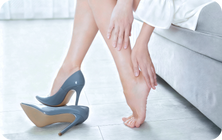
- The "Heavy Leg" Traveler: For frequent flyers or long-distance commuters facing travel-induced edema, a 20-minute session upon arrival is the "sweet spot". This is enough time to constrict dilated vessels and reset circulation without the need for high-intensity settings.
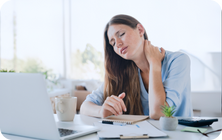
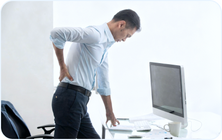
- The Sedentary Office Worker: If you sit for 8+ hours, your calf pumps are inactive. Using a cordless leg massager for 15 minutes during a lunch break can provide an "active flush" that prevents the buildup of evening swelling.
- The Athlete Managing DOMS: Following intense activity (like a marathon or heavy leg day), Delayed Onset Muscle Soreness (DOMS) is caused by micro-trauma and metabolic waste. A 30-45 minute session at a higher pressure helps physically "push" these byproducts through the lymphatic system more effectively than passive rest.
Safety Checklist: When to Stop
To ensure the safety of your home wellness routine, monitor for the following:
- Numbness or Tingling: If your toes feel "pins and needles," stop immediately. The pressure is too high or the session is too long.
- Skin Mottling: Check your skin after 30 minutes; it should be slightly pink (increased blood flow), not purple or white.
- The "3-1-1" Rule for Travel: If traveling with cordless air compression boots, remember they contain lithium batteries. They must stay in your carry-on luggage; never check them in.
FAQ: Expert Usage Tips
Q1: Can I use compression boots twice in one day?
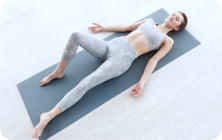
Yes. Many athletes use a short 10-minute "warm-up" session in the morning and a 30-minute "recovery" session in the evening.
Q2: Is more pressure always better?
No. High pressure can be counterproductive if it causes pain. The most effective pressure is the highest level that remains comfortable.
Q3: Are these devices HSA/FSA eligible?
Yes, most Comfytemp air compression massagers are FSA/HSA eligible, meaning you can use tax-free funds to invest in your long-term circulation health.
Recommended Comfytemp Recovery Setups
Depending on your specific needs, these air compression solutions provide targeted support:
- For All-Around Leg Recovery: Comfytemp Portable Foot & Calf Massager (K1011). This wireless unit is perfect for the "30-minute evening routine" in bed.
- For Travelers & Hikers: Portable Air Compression Calf Massager with Heat (K1002). A cordless design that allows for recovery in hotel rooms or even on long flights (if airline policy permits).
- For Foot Fatigue: Portable Foot Massager with Heat (K1007). Specifically targets the arches and heels, ideal for 20-minute sessions after standing all day.
Medical Disclaimer: This article is for informational purposes and does not replace professional medical advice. Individuals with DVT, acute infections, or congestive heart failure should consult a doctor before using compression therapy.


