






Quick Answer: Many headaches are related to everyday factors such as stress, dehydration, lack of sleep, or muscle tension. Depending on the type and cause of a headache, simple home remedies like staying hydrated, resting in a calm environment, practicing relaxation techniques, applying cold or warm compresses, and doing gentle stretching may help provide temporary comfort. While these approaches may not address the root cause, they can be valuable tools in managing occasional discomfort.
Understanding Headaches: Why Do They Happen?
Headaches are incredibly common, and understanding what triggers them is the first step toward finding relief. While there are many types of headaches, the most frequent culprits are often tied to our daily habits and environments.
Common triggers include:
- Stress: Mental and emotional strain can manifest physically.
- Muscle tension: Tightness in the head, neck, and shoulders.
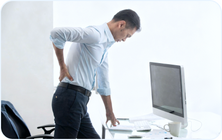
- Poor posture: Slouching at a desk or looking down at a phone.
- Dehydration: Not drinking enough water throughout the day.
- Lack of sleep: Disrupted or insufficient rest.
- Screen time: Eye strain from prolonged computer or phone use.
- Environmental factors: Bright lights, loud noises, or strong smells.
When we talk about everyday headaches, we are often referring to tension headaches. These are frequently linked to neck tension and muscle tightness, creating a band-like pressure around the head. Because muscle tightness plays such a significant role, targeted comfort strategies, like applying warmth, can be particularly relevant.

What Helps a Headache? Home Remedies to Try
When a headache strikes, several non-medical approaches may help ease the discomfort. Here are seven practical remedies to consider.
1. Stay Hydrated
Dehydration is a well-known and common headache trigger. When your body lacks sufficient water, it can affect blood volume and oxygen flow to the brain. Drinking enough water throughout the day may help support overall comfort and prevent these types of headaches. It is especially important to pay attention to your hydration levels after exercise, during hot weather, or if you've been sweating heavily.
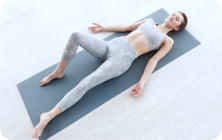
2. Rest in a Quiet, Dark Environment
Sensory overload can exacerbate headache pain. Reducing exposure to bright lights and loud noises can create a more soothing atmosphere for recovery. If your headaches are related to stress or sensory triggers, taking a break in a quiet, dark room may help your nervous system relax. This simple act of stepping away from screens and busy environments can be surprisingly effective.
3. Apply a Cold or Warm Compress
Temperature therapy is a popular home remedy, and the choice between cold and warm often depends on the type of discomfort you are experiencing.
Cold Compress
Some people find cold temperatures soothing, especially for headaches that feel throbbing. Applying a cold pack or a cloth-wrapped ice cube around the forehead or temples may help numb the pain and reduce inflammation.
Warm Compress / Heating Pad
On the other hand, heat may help relax tight muscles. This is especially useful when headaches are associated with neck and shoulder tension, which is a hallmark of tension headaches. A heating pad can provide localized, consistent warmth that encourages muscle relaxation.
4. Gentle Neck and Shoulder Stretching
Long periods of sitting, especially during computer work, combined with poor posture, can lead to tight neck muscles and shoulder tension. This discomfort can easily spread upward toward the head, triggering a headache. Incorporating gentle movements may help release this physical strain. Recommended actions include:
- Neck rotation: Slowly turning your head from side to side.
- Shoulder rolls: Rolling your shoulders up, back, and down in a circular motion.
- Chin tucks: Gently pulling your chin straight back to align your neck.
5. Practice Relaxation Techniques
Since stress is a major contributor to muscle tension, managing it directly can be beneficial. Techniques such as deep breathing, meditation, and progressive muscle relaxation can help calm the mind and body. By consciously relaxing your muscles and slowing your breath, you may help reduce the physical symptoms of stress that lead to headaches.
6. Improve Sleep Habits
A consistent sleep schedule is foundational for overall well-being and headache prevention. Irregular sleep patterns or poor sleep quality can be significant triggers. To improve your habits:
- Maintain a consistent sleep and wake time, even on weekends.
- Avoid excessive screen exposure at least an hour before bed.
- Create a relaxing bedtime routine, such as reading or taking a warm bath.
7. Try Gentle Massage
Massage therapy can be a powerful tool for releasing muscle tension. You don't necessarily need a professional; gentle self-massage can also be effective. Focusing on the neck, shoulders, and temples may help increase blood flow and ease tightness. Many people find that combining a gentle neck massage with the warmth of a heating pad enhances the relaxing effect.
Can a Heating Pad Help a Headache?
This is a common question for those who suffer from tension-related discomfort. It is important to manage expectations: heating pads do not treat the underlying cause of headaches, such as dehydration or sleep deprivation.
However, warmth may help relax tense muscles. Therefore, a heating pad may be more suitable for tension-related headaches that are clearly linked to neck or shoulder tightness. By promoting blood flow and easing muscle spasms, it addresses a key physical component of the pain.
For those considering this approach, modern heating pads offer several beneficial features:
- Adjustable temperature: Allows you to find the perfect level of warmth for your comfort.
- Large coverage area: Ensures that both the neck and upper shoulders receive therapy simultaneously.
- Comfortable materials: Soft, plush fabrics make the experience more relaxing.
- Auto shut-off safety: Prevents overheating and provides peace of mind, especially if you plan to rest while using it.
Heat vs Cold for Headaches: Which One Should You Choose?
Choosing between heat and cold can be confusing. The best option often depends on the specific sensation of your headache and what feels most soothing to you.
|
Option |
May Be Helpful For |
|
Heat |
Neck tension, tight muscles, stress-related discomfort, and stiffness in the shoulders. |
|
Cold |
Throbbing pain, inflammation, and soothing sensations around the forehead or temples. |
Remember, individual responses vary. What works wonderfully for one person may not be as effective for another. It may take some experimentation to find your preferred method of natural headache relief.
When Should You Talk to a Healthcare Professional?
While home remedies may help with occasional headaches, it is crucial to recognize when professional medical advice is necessary. Please consult a healthcare provider if you experience:
- A sudden, severe headache (often described as the "worst headache of your life").
- A headache that occurs after a head injury or trauma.
- A new or unusual headache pattern that differs from your typical headaches.
- Headaches accompanied by neurological symptoms, such as confusion, vision changes, weakness, numbness, or difficulty speaking.
- Frequent headaches that significantly affect your daily life and do not respond to home care.
Your health and safety are paramount. A medical professional can provide an accurate diagnosis and a comprehensive treatment plan.
FAQ
Q1: Does heat help headaches?
Heat may help certain types of headaches, particularly those caused by muscle tension. Warmth can promote relaxation in the neck and shoulder muscles, which may indirectly ease tension-related head pain.
Q2: Can a heating pad help tension headaches?
Yes, a heating pad may help with tension headaches. Since these headaches are often linked to tight muscles in the neck and shoulders, applying gentle, consistent heat can encourage those muscles to relax.
Q3: Where should you put a heating pad for a headache?
For headache relief, it is generally recommended to place the heating pad on the back of your neck and upper shoulders. This targets the muscle groups that commonly contribute to tension headaches.
Q4: How long should you use a heating pad?
It is typically advised to use a heating pad for 15 to 20 minutes at a time. Always use the auto shut-off feature or set a timer to prevent skin irritation or burns.
Q5: Is heat or ice better for headaches?
There is no single "better" option; it depends on the headache. Heat is generally preferred for muscle tension and stiffness, while cold is often chosen for throbbing pain or inflammation. You may find that different situations call for different therapies.


