
























Most heating pad safety burn injuries at home don't happen on the highest setting. They happen on low or medium heat, to people who genuinely cannot feel the damage developing — often older adults, people with diabetes, and anyone whose skin sensation is reduced. This article is written for those readers and the caregivers who look after them. The central point is simple: the danger of a heating pad isn't how hot it gets — it's whether the user can tell it's getting too hot in time to move it.
Quick Answer
The people most at risk from a heating pad burn are those with reduced skin sensation or slower reaction times — older adults, people with diabetes or circulation problems, and anyone who can't easily feel or move away from heat. For them, even a "low" setting can build up enough heat to cause a burn before they notice, so supervision and timed use matter more than the setting itself.
Why "Low Heat" Is Not the Same as "No Risk"
A heating pad set to low doesn't deliver a small, harmless amount of heat — it delivers a steady amount of heat that keeps accumulating in the same patch of skin. Burn risk depends on two things together: temperature and time. A surface that feels comfortably warm at one minute can cause a low-temperature burn if it stays against the same skin for 30 or 60 minutes without a break or a barrier.
This is why the classic picture of a heat burn isn't a red-hot pad and a yelp of pain. It's a faint pink or slightly darkened patch that appears hours later, on skin that never felt painful at the time. Health agencies and burn units describe this as a "low and slow" injury — the tissue is damaged gradually, and because there's no sharp pain, nothing prompts the person to shift position.
Two practical implications follow. First, "it's only on low" is not a safety argument — duration is doing as much of the work as temperature. Second, a timer or an automatic shut-off is a more reliable safety feature than a lower heat setting, because it removes the "leave it on and forget" failure mode entirely.
Reduced Sensation: Who May Not Feel a Burn Developing
Sensation is the body's early-warning system for heat. When it's blunted, the warning simply doesn't arrive. Several groups are commonly affected:
- People with diabetes, particularly with long-standing or poorly controlled blood sugar, may have reduced feeling in the feet, lower legs and sometimes the hands — the areas often placed against a pad.
- Older adults often have a reduced ability to sense temperature and a slower reflex to pull away, even without any diagnosed condition.
- People with nerve damage or neuropathy from any cause, including some medications and vitamin deficiencies.
- Anyone with reduced mobility who cannot easily reposition a pad or move their body away from it.
- People using certain pain medications, sedatives or sleep aids, which can dull awareness and make it easy to fall asleep on a pad.
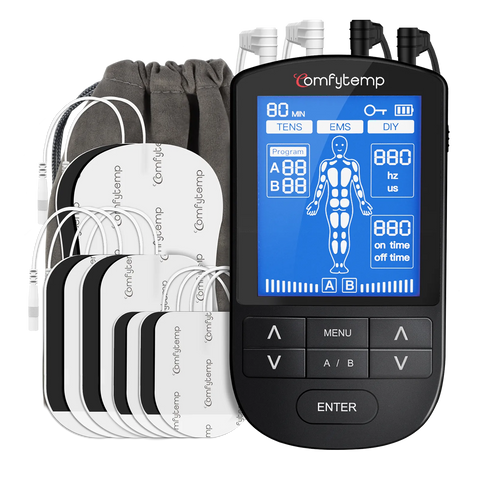
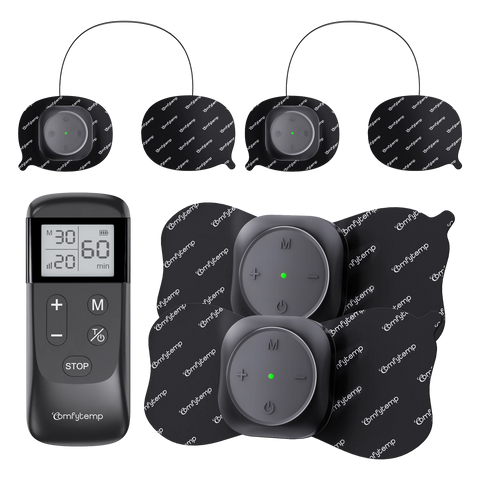
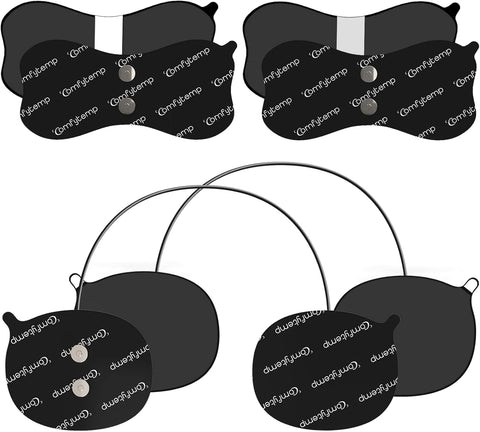
This is also where heating pads interact with TENS and EMS devices. Electrical stimulation can mask or distract from the sensation of heat, and if a device combines both functions, the user may notice the tingling but not the warmth building underneath. If you use a combo unit, treat the heat portion with the same caution as any standalone pad.
If you or the person you care for falls into any of these groups, consult your healthcare provider before use, especially about how long and how often heat is appropriate.
Skin That's Thinner, Circulation That's Slower
Even when sensation is intact, aging and health conditions change how skin handles heat. Two changes matter most:
Thinner skin. As we age, the outer layer of skin thins and the cushioning fat underneath decreases. That means heat from a pad reaches deeper tissue faster and the skin has less margin before damage begins. The same pad, at the same setting, is simply harsher on thin skin than on young, thick skin.
Slower circulation. Blood flow is the body's cooling system — it carries heat away from the skin surface. When circulation is reduced, by age, vascular disease, or simply cold limbs, heat lingers in the tissue instead of being carried away. That's a meaningful shift: the pad hasn't changed, but the body's ability to disperse the heat has.
The practical takeaway is that the safe duration for an older adult or someone with poor circulation is shorter than for a healthy young adult, even at identical settings. There's no universal number of minutes that fits everyone, but the principle is to start shorter than you think you need and build up only if the skin stays comfortably warm, not hot, and shows no redness afterward.
What Caregivers Should Check During Use
A caregiver's job isn't to hover — it's to check the things the user can't check themselves. A short, repeatable routine catches most problems:
- Check the skin, not the setting. Lift the pad every 10–15 minutes and look at the skin underneath. Pink that fades within a minute is fine; persistent redness, a darker patch, or any blister means stop and treat it as a burn.
- Ask, don't assume. "Does it feel hot?" is a poor question for someone with reduced sensation. Better: "Does it feel warm, or can you not really tell?" A user who can't tell is a user who needs a shorter session.
- Set a hard time limit before you start. Use a kitchen timer or the pad's auto-off. Decide the session length up front, not after.
- Look for the classic warning signs later. Check the skin again an hour after the pad is off. Low-temperature burns often show up late, as a red or purplish patch that wasn't there during use.
- Check the equipment. Look for cracks, frayed cords, or a pad that's been folded or crushed in storage — damaged heating elements can create hot spots that don't match the dial setting.
A commonly made mistake caregivers make is trusting the user's report of comfort as proof of safety. Someone with reduced sensation may honestly say the pad feels fine while a burn is developing, because "fine" is all their nerves are reporting. The skin check and the timer are what actually protect them — not the feedback.
Practical Habits That Keep Heat Safe
The safer habits are mostly about adding barriers and removing time, not about turning the dial down:
- Put a layer between the pad and skin — a thin towel or a light blanket. This spreads the heat and reduces peak temperature at any one spot, and it's the single easiest change to make.
- Never lie on top of a pad or fall asleep with it on. Body weight traps heat and sleep removes the awareness that would otherwise prompt movement.
- Use it in short sessions with breaks, and let the skin return to normal temperature between them. Continuous use for an hour or more is where most trouble starts.
- Don't use heat on skin that's already numb, broken, bruised, swollen, or recently injured with swelling — heat can worsen swelling, and damaged skin is more vulnerable.
- Never combine a heating pad with a topical pain rub containing menthol, capsaicin or similar ingredients; the combination can intensify irritation. Also avoid using a pad over a TENS electrode pad for long periods.
- Keep pads away from young children and check them on older adults, since neither group reliably reports or reacts to heat.
One honest limitation: heat does not help every kind of pain. For fresh injuries with swelling, acute inflammation, or pain that is sharp and worsening, cold is often the better choice, and heat may aggravate it. If pain persists or worsens despite sensible use, see a medical professional — a heating pad is a comfort tool, not a diagnostic one.
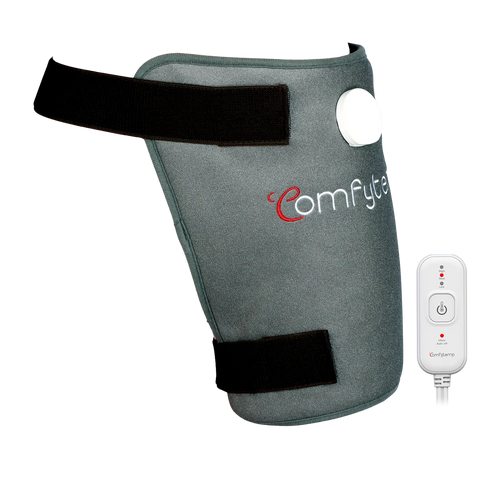
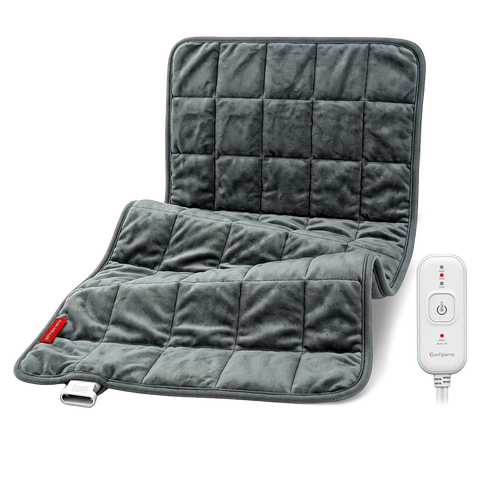
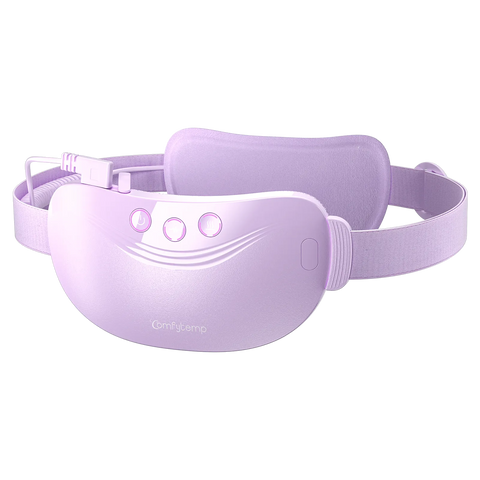
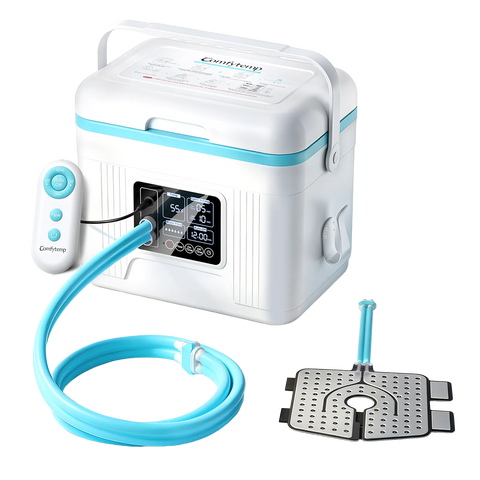
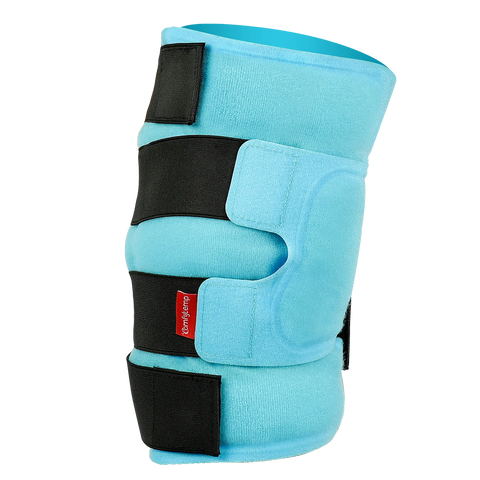
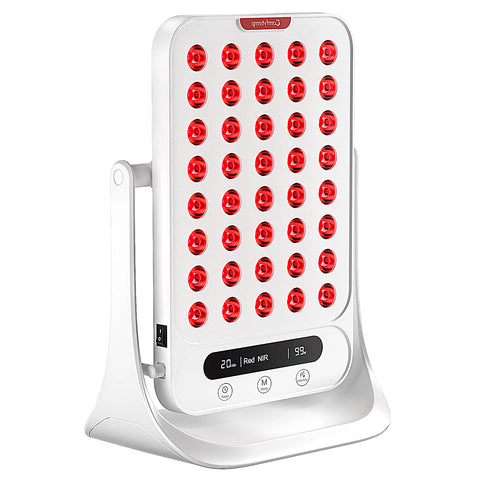
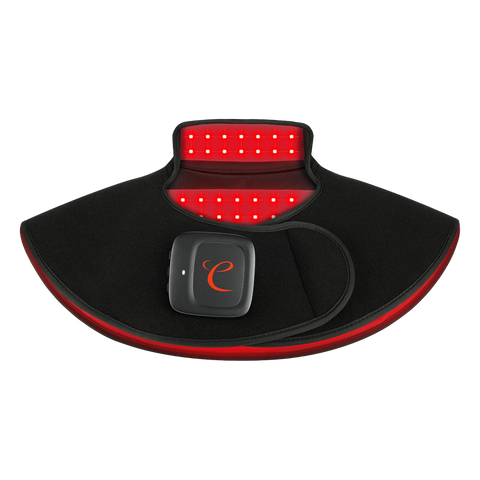
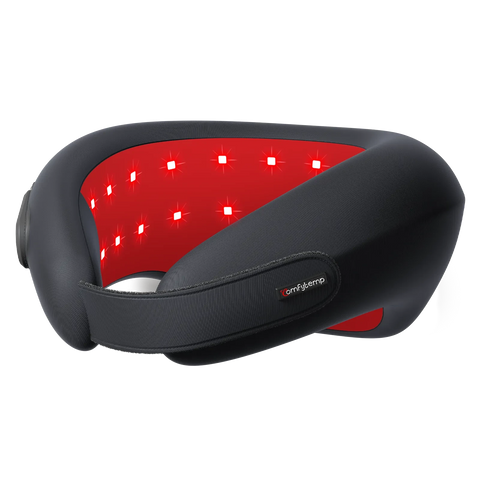
For readers who want cordless, timed, or adjustable options that make safe use easier to build into a routine, Comfytemp's range of drug-free, non-invasive home therapy products — heating pads, gel packs and wearable heat — is designed for everyday comfort at home, with adjustable settings and timers that support the habits above. FSA/HSA eligibility varies by product, so check before purchase. If you have reduced sensation or a health condition that affects circulation, consult your healthcare provider before use.
Frequently Asked Questions
Q1: Can a heating pad on the lowest setting still cause a burn?
Yes. Burn risk comes from temperature combined with time. A low setting held against the same patch of skin for a long period can cause a low-temperature burn, especially on thin skin or where sensation is reduced.
Q2: How long is it safe to leave a heating pad on?
There's no single safe number, but shorter is safer. Many manufacturers recommend 15–20 minute sessions; if you have reduced sensation, poor circulation or are older, keep sessions on the shorter end and check the skin during use. Follow the device's own instructions.
Q3: How would I know if a heating pad is burning me if I can't feel it?
Look for skin redness that doesn't fade, a darker or purplish patch, swelling, or a blister — often appearing an hour or more after use. Because the sensation warning may be missing, regular skin checks and a timer are how you catch it.
Q4: Is it safe to fall asleep with a heating pad?
Sleep is one of the highest-risk situations because you can't reposition or notice heat building. Avoid it, particularly if you take sleep aids or have reduced sensation.
Q5: Can I use a heating pad if I have diabetes or neuropathy?
Sometimes, but with extra care — and consult your healthcare provider before use. Reduced sensation means you may not feel a burn developing, so keep sessions short, use a barrier layer, check skin frequently, and never sleep on a pad.
Conclusion
The people at greatest risk from a heating pad burn are not the ones who feel the heat too much — they're the ones who feel it too little. If you're an older adult, have diabetes or circulation problems, or care for someone who does, the deciding factors aren't the setting on the dial. They're a barrier layer, a timer, short sessions, and regular skin checks. Choose your device around those habits — adjustable heat, automatic shut-off, cordless designs that are easy to move — rather than around how hot it can get, and treat heat as short, supervised comfort rather than all-night background warmth. If symptoms persist or worsen, or if a burn develops, seek medical advice.


