


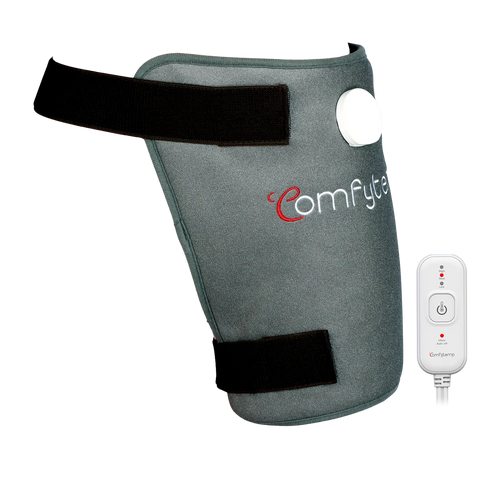


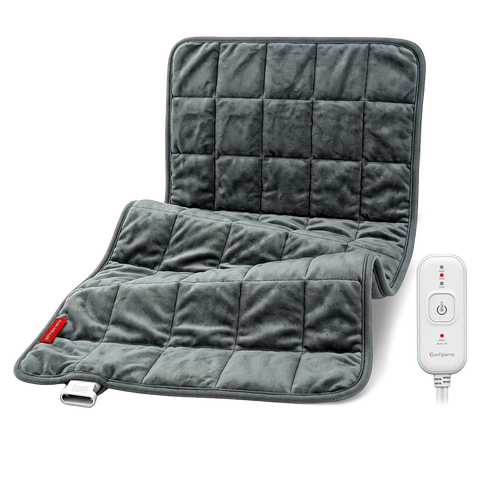


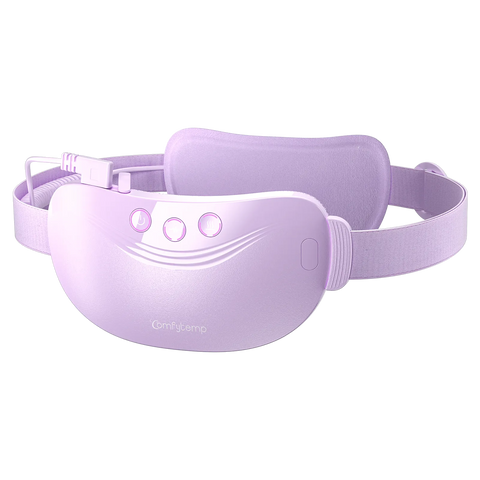


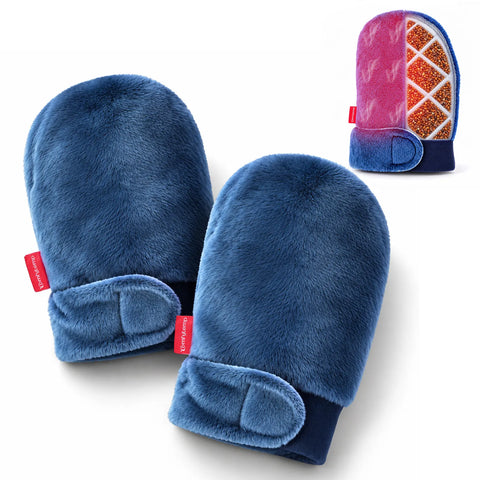
















If you're shopping for the best heating pads — whether you're a long-time Amazon buyer or exploring outside Amazon for the first time — the real challenge isn't finding heat; it's matching the right type, size and controls to where you hurt and how you'll actually use it. Comfytemp has been the top-selling heating pad brand on Amazon for years, and its pads are now sold through other channels too, so the same professional-grade-at-home approach is easier to find wherever you prefer to shop.
Quick answer: The best heating pad is the one whose coverage, heat range and power source fit your specific need — a large electric pad for back or full-body use, a weighted wrap for neck and shoulders, a cordless pad for cramps and travel, or a microwavable pack for targeted, drug-free warmth anywhere.
What Makes a Heating Pad the "Best" for You
There is no single best pad, only the best fit — and fit comes down to four selection criteria. Decide these before you look at any product, and you'll avoid the most common buying regret: a pad that's too small, too hot at the lowest setting, or tethered to a cord you can't use where you sit.
- Coverage area: measured in inches; a neck wrap and a full-back pad solve completely different problems.
- Heat control: the number of settings and how low the lowest one goes matters more than the maximum.
- Power source: corded for long sessions at home, cordless or USB for travel, work and cramps.
- Safety features: auto shut-off and a removable, washable cover are baseline expectations.
When you shop, apply these criteria first and treat marketing claims second — "professional-grade" heat is about consistent, adjustable warmth, not a bigger number on the dial.

Best Heating Pads for Different Needs
Matching pad type to body area is where most buying decisions are won or lost. The table below maps common needs to the pad format that usually fits best.
| Need | Best-fitting format | Why it fits |
|---|---|---|
| Back pain / waist | Electric back or waist pad with autoshut-off | Wide coverage with adjustable heat |
| Neck and shoulders | Weighted neck-and-shoulder wrap | Weight keeps contact without holding it |
| Period cramps | Cordless or USB period-cramp pad | No cord, discreet, wearable |
| Large muscle areas | Full-body or extra-large electric pad | Broad even coverage |
| Targeted relief | Microwavable pack or small gel pack | Precise placement, drug-free |
For Back Pain and Waist
A back pad should span the lower back and at least part of the waist without bunching when you sit or lie down. Look for a pad long enough to wrap slightly around your sides, and check that the lowest heat setting is genuinely gentle — many people use heat for 15–20 minutes at a time, several times a day, so comfort at low settings is what you'll notice most.
For Neck and Shoulders
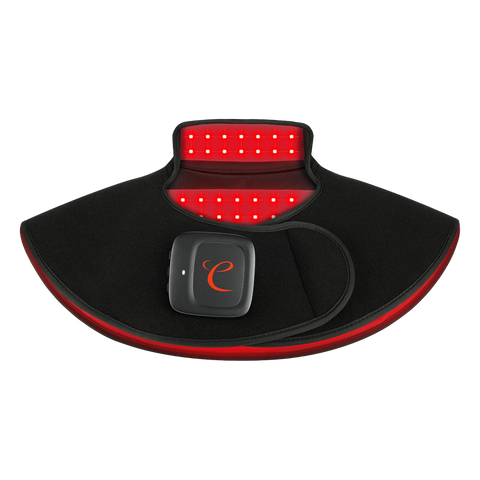
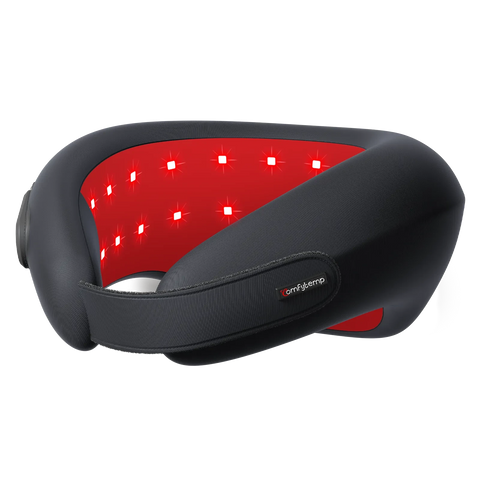
Shoulder pain is a fit problem before it's a heat problem: a flat pad slides off the moment you relax. A weighted neck-and-shoulder wrap stays put hands-free, which means you can actually rest instead of holding the pad in place. This is also where heat-plus-massage combo designs earn their keep — the combination of warmth and gentle vibration may help ease tension from desk work or daily strain.
For Period Cramps
Cramps call for discretion and mobility, not maximum heat. A cordless or USB-rechargeable period-cramp pad can be worn under clothing and used away from an outlet — at work, on the couch, or while traveling. Keep sessions moderate (roughly 15–20 minutes at a time) and use the lowest setting that feels soothing; if you are pregnant, breastfeeding or have any medical condition, consult your healthcare provider before use.
For Large Muscle Areas
For the whole back, thighs or multiple areas, coverage beats precision. A full-body or oversized electric pad with even heat distribution avoids the "hot spot, cold edge" problem common in cheap pads. Check the dimensions against your body: a pad that covers your entire back while seated is a different purchase from one sized for lying down.
For Targeted Heat Therapy
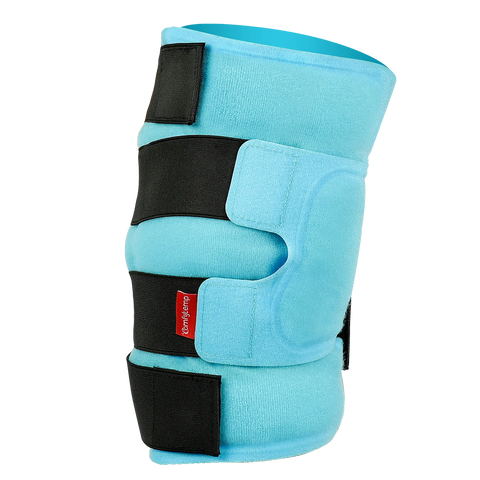
Sometimes you want heat on one knee, one wrist or the jaw — areas a large pad can't hug. Microwavable heat packs and reusable hot-and-cold gel packs mold to joints and stay where you put them, with no cord and no outlet. They're also the most portable option: heat them in a microwave, apply for 15–20 minutes, and reheat as needed.

Types of Heating Pads and Who Each One Suits
Electric Heating Pads
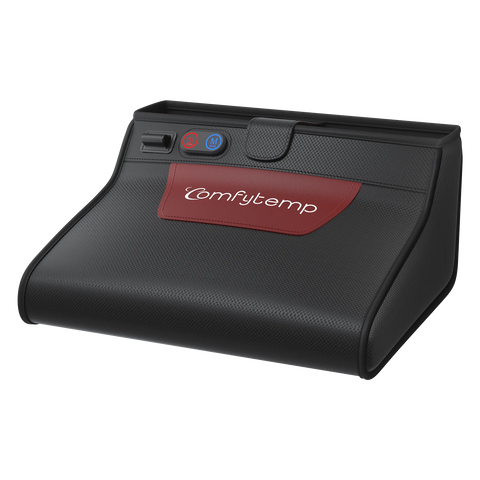
Corded electric pads deliver steady, adjustable heat for long home sessions and are the workhorse choice for back, waist and full-body use. Prioritize a pad with auto shut-off and a controller you can reach without twisting.
Weighted Heating Pads
The weight does two jobs: it keeps the pad in contact with your body and provides gentle, drug-free pressure, which many people find calming on the neck and shoulders. Weighted pads are less ideal for areas where you need to move freely.
Wearable and Cordless Heating Pads
Cordless and USB pads trade maximum heat output for freedom of movement — the right call for cramps, commuting, office use or travel. Battery life and charge time are the specs that matter here; check both before buying.
Microwavable Heating Pads
Microwavable packs heat in minutes, need no electricity and can be used almost anywhere, making them the most portable drug-free option. The trade-off is that heat fades over time and reheating takes a few minutes, so they suit targeted relief rather than hour-long sessions.
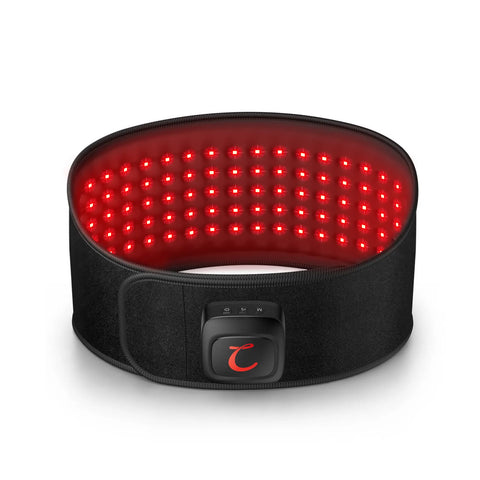
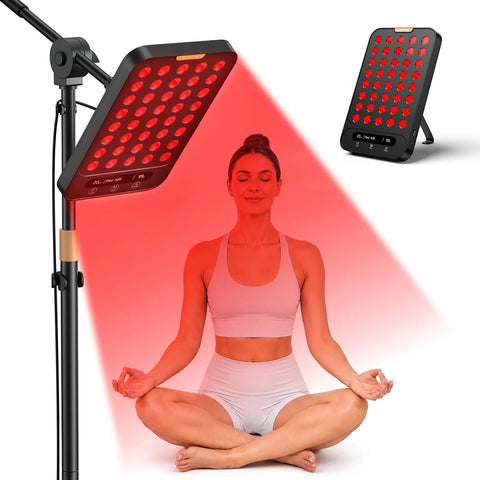
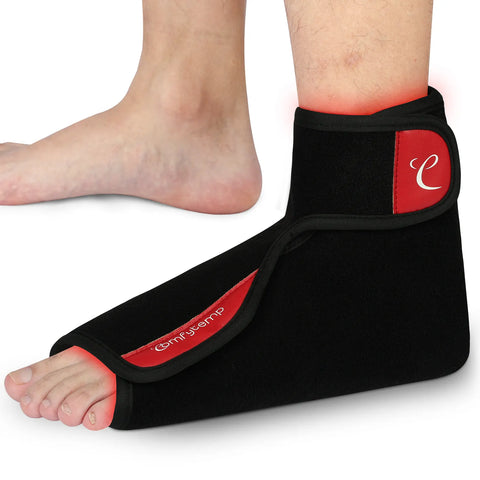
Infrared and Red Light Devices
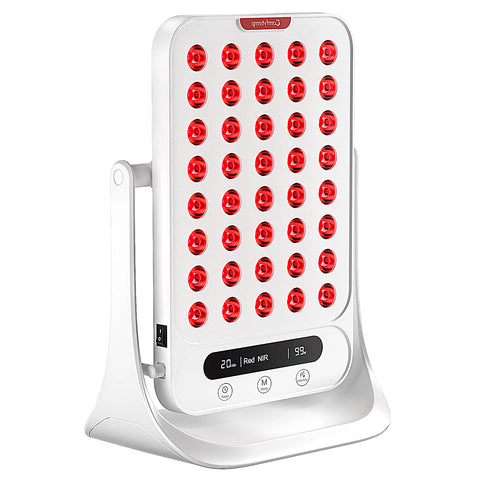
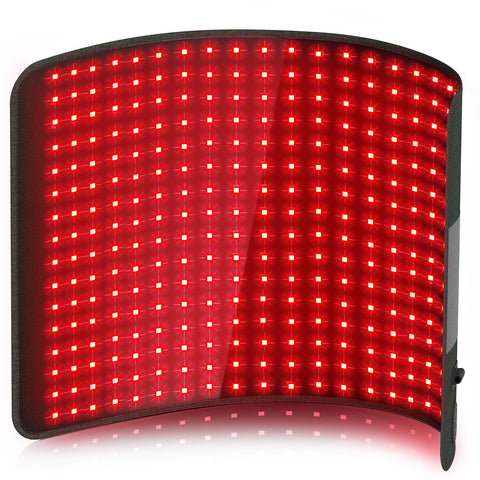
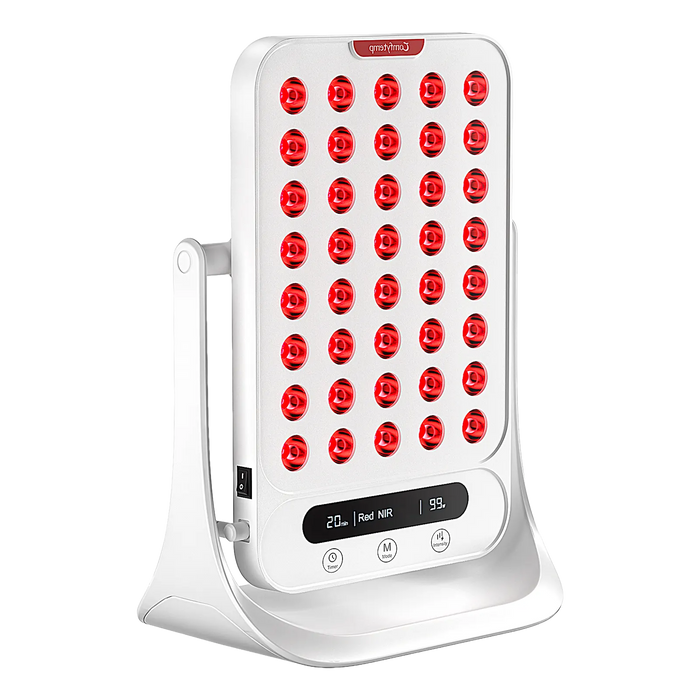
Red light therapy is a different category from a heating pad — it doesn't warm the skin the way a pad does. It's best treated as a complementary option, and marketing around it is often overstated: some studies suggest benefits for certain musculoskeletal complaints, but results vary by device, wavelength and dose, and research on one device doesn't guarantee the same effect from another.
What to Look for When Buying a Heating Pad
- Size and coverage: measure the area you want to cover, then choose a pad slightly larger — pads that just barely fit tend to shift.
- Heat settings: more settings matter less than a genuinely low starting point; 4–6 levels with a gentle low end suits most people.
- Auto shut-off: a standard safety feature on quality electric pads; treat its absence as a red flag.
- Material and care: a soft, removable, machine-washable cover extends the pad's life and keeps it hygienic.
- Power source: corded for home, cordless/USB for mobility — decide based on where you'll actually use it, not where you wish you would.
If you plan to buy with a flexible spending account, note that some heat therapy products are FSA/HSA eligible — check the specific product listing, since eligibility varies by item.
How to Use a Heating Pad Safely
Heat is soothing but not risk-free. A simple routine keeps it comfortable and lowers the chance of skin irritation.
- Start low. Begin on the lowest setting and increase only if needed after a few minutes.
- Layer, don't press. Place the pad over thin clothing or a cover rather than directly on bare skin.
- Time it. Use for about 15–20 minutes per session rather than leaving it on for hours.
- Check the skin. Look for redness or discomfort; stop if either appears.
- Never sleep on a corded pad. Auto shut-off helps, but unintentional long exposure is the main avoidable risk.
Who should be cautious or skip heat therapy: people with reduced skin sensation (common in some neurological conditions), anyone with impaired circulation, and people with a pacemaker or epilepsy should consult their healthcare provider before use. The same applies during pregnancy, breastfeeding, for children, and after surgery. Heat is not appropriate on fresh injuries where swelling is present — cold is usually preferred in the first 24–48 hours.
The Most Common Mistake
The biggest error isn't buying the wrong pad — it's using too much heat for too long because "more feels better." Higher settings don't relieve more; they mainly raise the risk of burns and skin irritation, especially for older adults and anyone with reduced sensation. If pain persists or worsens despite reasonable use, see a medical professional rather than turning up the dial.
Heating Pad vs. Heat Wrap: What's the Difference?
A heating pad is generally a flat, plug-in or microwavable pad used at rest, while a heat wrap is shaped to conform to a body area — neck, shoulder, waist or knee — and often stays on hands-free. In practice, the difference is coverage versus conformity: choose a pad for broad, stationary warmth and a wrap for curved areas or when you need to keep moving. Weighted and wearable designs blur the line, so judge by fit and power source rather than the label on the box.
Frequently Asked Questions About Heating Pads
Q1: How long should you use a heating pad?
About 15–20 minutes per session is a sensible default, repeated a few times a day as needed. Longer sessions don't add benefit and increase the risk of skin irritation.
Q2: Can you sleep with a heating pad on?
It's best not to. Falling asleep removes your ability to notice overheating; if you must, use a pad with auto shut-off and keep the setting low.
Q3: Are heating pads safe for everyone?
No. People with reduced skin sensation, impaired circulation, pacemakers or epilepsy, and those who are pregnant, breastfeeding, recovering from surgery or using heat on a child should consult their healthcare provider before use.
Q4: Is a cordless heating pad as warm as a corded one?
Cordless pads often top out slightly lower to preserve battery life, but they win on portability — for cramps, work or travel, that trade-off is usually worth it.
Q5: Where can you buy heating pads outside Amazon?
Many established brands, including Comfytemp, now sell through multiple retail channels beyond Amazon, so you can compare the same product across stores and pick the option with the best price and return policy.
The Bottom Line
The best heating pads are the ones matched to your body and routine: broad electric heat for back and large areas, weighted wraps for neck and shoulders, cordless pads for cramps and travel, and microwavable packs for targeted, drug-free relief. Start with the four criteria — coverage, heat control, power source and safety — and the choice becomes simple. Comfytemp's range is built around exactly that idea: professional-grade, non-invasive warmth you can use comfortably at home, now available beyond Amazon so you can shop wherever suits you. Pick the format that fits your need, start low, keep sessions short, and see a medical professional if symptoms persist or worsen.


